
Finding the perfect bulgogi sauce recipe was a journey that started in a small, smoky kitchen in Seoul about ten years ago. I remember sitting on a low wooden stool, the air thick with the irresistible scent of caramelizing sugar, toasted sesame, and searing beef. The grandmother of the house, whom everyone called Halmoni, didn't use measuring cups; she used her intuition, a pinch of this and a splash of that. When I finally convinced her to share her secrets, I realized that the magic of a true bulgogi sauce recipe isn't just about the salt and sugar; it is about the balance of fruit and aromatics. Since that trip, I have spent years refining these ratios to bring that authentic Korean BBQ experience into my own home. This recipe is the culmination of those experiments, designed to be both traditional and accessible for anyone looking to master Korean flavors.
Why This Recipe is a Must-Try
- Authentic Flavor Profile: This bulgogi sauce recipe uses the traditional Korean pear (Bae) to provide natural sweetness and enzymatic tenderization that bottled sauces simply cannot replicate.
- Versatility Beyond Beef: While perfect for ribeye, this marinade works wonders on chicken, pork, and even firm tofu, making it a staple for any home cook.
- No Hidden Preservatives: By making your own bulgogi sauce recipe, you control the quality of the soy sauce and the amount of sodium, avoiding the corn syrups and artificial dyes found in store-bought jars.
- Cost-Effective Gourmet: You likely have most of these ingredients in your pantry, and one batch can flavor several pounds of meat for a fraction of the price of a restaurant meal.
Key Ingredient Notes
To ensure your bulgogi sauce recipe turns out perfectly, pay close attention to the quality of your base ingredients. The foundation is soy sauce, and I highly recommend using a naturally brewed variety. If you love making your own condiments from scratch, you might also be interested in The Ultimate Savory Dumpling Sauce Recipe, which shares a similar umami-rich base.
The Power of the Korean Pear
The most critical component of an authentic bulgogi sauce recipe is the Korean pear. Unlike Western pears, the Korean pear is round, crisp, and contains an enzyme called calpain. This enzyme acts as a natural meat tenderizer, breaking down tough muscle fibers to create that signature melt-in-your-mouth texture. If you cannot find a Korean pear, a Bosc pear or even a sweet Fuji apple can serve as a substitute, though the texture may vary slightly.
Toasted Sesame Oil and Aromatics
Never underestimate the importance of fresh ginger and garlic. In this bulgogi sauce recipe, we use a generous amount of both to cut through the sweetness of the pear and sugar. The toasted sesame oil adds a deep, nutty aroma that defines Korean cuisine. Once you have prepared a large batch of this marinade, I recommend storing any leftovers in Basics Glass Food Storage to ensure the strong garlic and onion scents don't permeate your other fridge items.
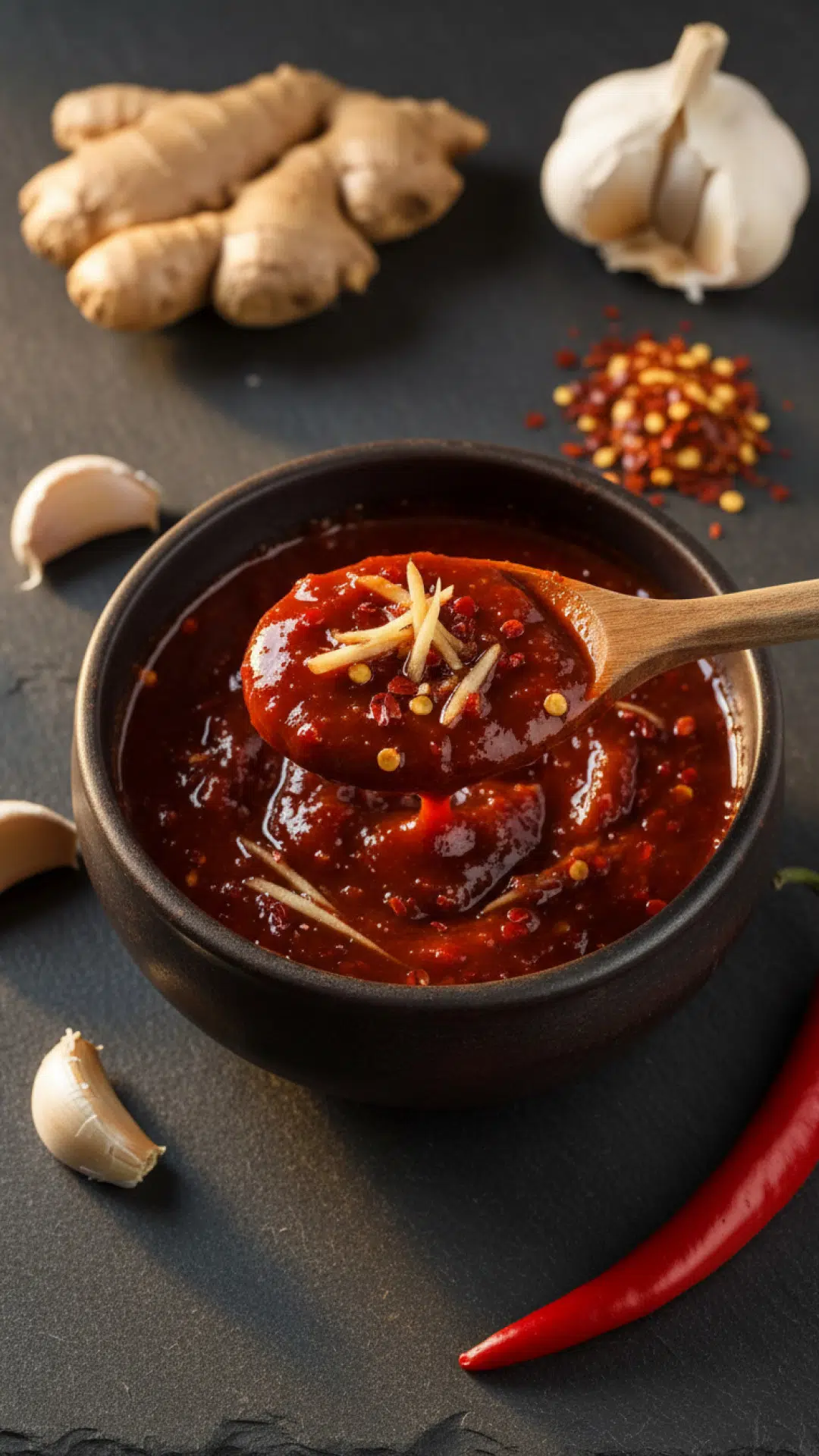
Step-by-Step Guide with Pro Tips
Creating the perfect bulgogi sauce recipe involves more than just mixing ingredients; it’s about the order of operations and the infusion of flavors. Here is how you can achieve restaurant-quality results in your own kitchen.
Preparing the Fruit and Aromatics
Start by grating your pear and onion. You want a fine pulp so that the solids integrate into the meat during the marinating process. If you prefer a smoother sauce, you can run these through a blender, but the traditional hand-grated method provides a better texture for searing.
Balancing the Sweet and Salty
Combine the soy sauce, brown sugar, and honey in a large bowl. Whisk until the sugar is completely dissolved. This is a crucial step in the bulgogi sauce recipe because undissolved sugar can burn quickly on the grill, leading to a bitter taste rather than a caramelized glaze. If you enjoy experimenting with different flavor profiles, you might also like The Ultimate Homemade Thai Peanut Sauce Recipe for your next meal prep session.
The Infusion Phase
Add the grated pear, onion, minced garlic, ginger, and black pepper. Stir in the toasted sesame oil last to lock in the volatile aromatic compounds. For the best results with this bulgogi sauce recipe, let the sauce sit for at least 30 minutes before adding it to your meat. This allows the flavors to meld and the enzymes in the pear to activate.
Variations & Serving Suggestions
While the classic bulgogi sauce recipe is designed for thinly sliced ribeye (shaved beef), there are endless ways to adapt it to your lifestyle. Here are a few of my favorite creative twists:
- Spicy Bulgogi: Add 2 tablespoons of Gochujang (Korean chili paste) and a teaspoon of red pepper flakes (Gochugaru) to the base bulgogi sauce recipe for a spicy kick.
- Bulgogi Stir-Fry: Use the sauce as a finishing glaze for a vegetable stir-fry with broccoli, snap peas, and carrots. The sugars will thicken into a beautiful gloss.
- The Bulgogi Burger: Marinate ground beef in a concentrated version of this bulgogi sauce recipe before forming patties. Top with kimchi and spicy mayo for a fusion masterpiece.
- Low-Carb Option: Replace the brown sugar and honey with an erythritol-based sweetener and use liquid aminos instead of soy sauce for a keto-friendly version.
When serving, remember that bulgogi is traditionally enjoyed as 'ssam' (wraps). Take a leaf of red leaf lettuce, place a spoonful of cooked meat, add a dab of ssamjang (soybean paste), and top with a slice of raw garlic or green chili. The freshness of the lettuce balances the richness of the bulgogi sauce recipe perfectly.
Nutrition Information
Understanding the caloric content of your condiments is essential for a balanced diet. Below is the nutritional breakdown for one serving of our homemade bulgogi sauce recipe.
| Nutrient | Amount per Serving |
|---|---|
| Calories | 85 kcal |
| Total Fat | 2.5g |
| Saturated Fat | 0.4g |
| Cholesterol | 0mg |
| Sodium | 820mg |
| Total Carbohydrates | 14g |
| Dietary Fiber | 1g |
| Sugars | 11g |
| Protein | 2g |
Please note that the sodium content in this bulgogi sauce recipe comes primarily from the soy sauce. If you are monitoring your salt intake, you can use a low-sodium soy sauce or dilute the mixture with a bit of water or unsalted beef broth without sacrificing too much flavor.
Conclusion
Mastering a homemade bulgogi sauce recipe is a gateway into the vibrant world of Korean cooking. It is a simple yet sophisticated blend of ingredients that transforms humble cuts of meat into a celebration of flavor. Whether you are hosting a backyard BBQ or looking for a quick weeknight dinner, this sauce is sure to impress. I hope this recipe brings as much joy to your table as it has to mine over the years. Happy cooking!
FAQs
Can I make this bulgogi sauce recipe ahead of time?
Yes! This sauce actually tastes better after the flavors have had time to meld. You can store it in an airtight container in the refrigerator for up to one week.
What if I can't find a Korean pear?
The best substitutes are Bosc pears or Fuji apples. They provide the necessary sweetness and some of the enzymes needed for tenderizing the meat.
Can I use this bulgogi sauce recipe for slow cooking?
Absolutely. It works great for a slow-cooked beef roast or pulled pork. The sugar in the sauce will help create a thick, savory gravy as it cooks down.

Authentic Korean Bulgogi Sauce
- Total Time: PT10M
- Yield: 1.5 cups 1x
Description
A traditional, sweet, and savory Korean marinade featuring Korean pear, soy sauce, and toasted sesame oil, perfect for tenderizing beef or chicken.
Ingredients
1/2 cup soy sauce (naturally brewed)
1/3 cup brown sugar, packed
1 tablespoon honey
1/4 cup Korean pear, grated (or Bosc pear)
1/4 cup onion, finely grated
2 tablespoons minced garlic
1 tablespoon fresh ginger, grated
2 tablespoons toasted sesame oil
1/4 teaspoon black pepper
2 tablespoons chopped green onions (optional garnish)
Instructions
Step 1: In a medium mixing bowl, whisk together the soy sauce, brown sugar, and honey until the sugar has completely dissolved.
Step 2: Using a fine grater, grate the Korean pear and the onion until you have a smooth pulp. Add this mixture, including the juices, into the soy sauce base.
Step 3: Stir in the minced garlic, grated ginger, and black pepper, ensuring the aromatics are evenly distributed throughout the bulgogi sauce recipe.
Step 4: Slowly whisk in the toasted sesame oil. The oil will slightly emulsify with the other ingredients, creating a glossy finish.
Step 5: Let the sauce sit at room temperature for at least 15-30 minutes to allow the flavors to meld before using it as a marinade or dipping sauce.
Step 6: To use as a marinade: Pour over 1 to 1.5 lbs of thinly sliced beef and refrigerate for at least 4 hours (overnight is best) before grilling or pan-searing.
Notes
For the best results, use a Korean pear (Bae). If unavailable, a sweet apple like Fuji or Gala is a better substitute than a citrus fruit. Always slice meat against the grain for maximum tenderness.
- Prep Time: PT10M
- Cook Time: PT0M
- Category: Main Dishes & Savory Recipes
- Cuisine: Korean
Nutrition
- Serving Size: 2 tablespoons
- Calories: 85 kcal
- Sugar: 11g
- Sodium: 820mg
- Fat: 2.5g
- Saturated Fat: 0.4g
- Unsaturated Fat: 2.1g
- Trans Fat: 0g
- Carbohydrates: 14g
- Fiber: 1g
- Protein: 2g
- Cholesterol: 0mg
Leave a Reply