
Discovering the ultimate chicken stock recipe was a turning point in my culinary journey, transforming my kitchen from a place of simple assembly to a workshop of deep, complex flavors. I remember sitting in my grandmother’s kitchen on a rainy Tuesday afternoon, watching her carefully skim the surface of a giant stainless steel pot. The aroma was intoxicating—a blend of sweet carrots, pungent onions, and the rich, savory depth of slow-simmered poultry. She called it ‘liquid gold,’ and she wasn’t exaggerating. That single pot of broth was the foundation for everything from her famous Sunday roasts to the healing soups she made whenever I felt under the weather. This chicken stock recipe isn’t just a set of instructions; it is a labor of love that honors the traditional ways of cooking where nothing is wasted and every ingredient is given the time it needs to shine.
Why This Recipe is a Must-Try
- Unmatched Depth of Flavor: Unlike store-bought versions that often rely on excessive salt and artificial flavorings, this chicken stock recipe uses real bones and fresh aromatics to create a complex profile.
- Nutrient-Dense Goodness: By simmering the bones for hours, you extract essential minerals and collagen, making this a healthy addition to any meal.
- Cost-Effective Kitchen Staple: This recipe allows you to utilize vegetable scraps and leftover chicken carcasses that would otherwise be discarded.
- Versatility in the Kitchen: Whether you are making a risotto, a gravy, or using it as a base for The Ultimate Guide to Easy Shredded Chicken Recipes for Busy Weeknights, this stock is the perfect starting point.
Key Ingredient Notes
To master this chicken stock recipe, you must understand the components that build its character. The first and most critical ingredient is the chicken itself. For the best results, use a mix of raw carcasses and roasted bones. Raw bones provide a light, clean flavor and plenty of gelatin, while roasted bones add a deep, amber color and smoky undertones. If you’ve recently made The Ultimate Homemade Crispy Chicken Tenders, you might have leftover parts or can use the same high-quality sourcing for your stock bones.
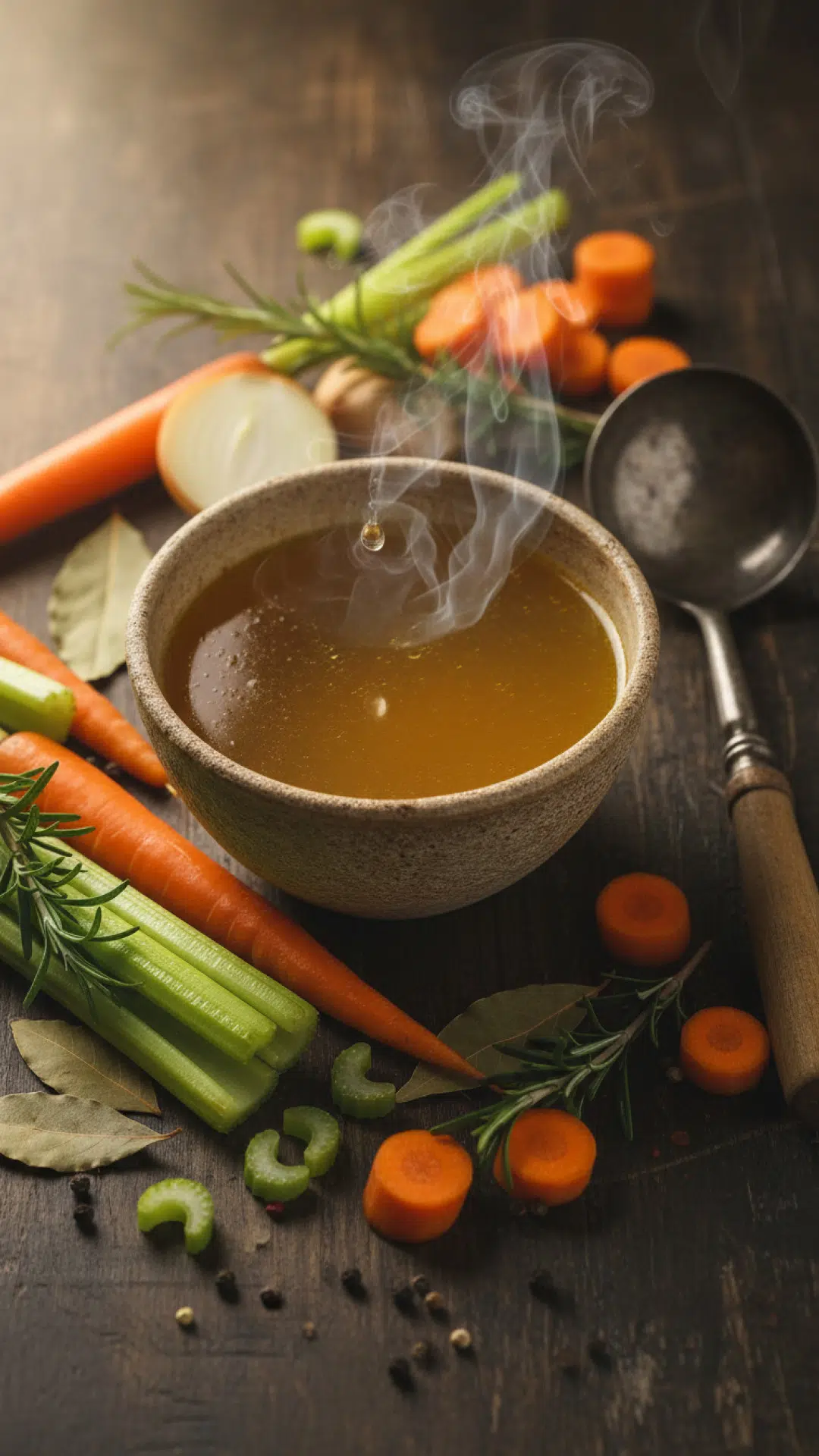
Next, we look at the mirepoix—the classic trio of onions, carrots, and celery. I always recommend using organic vegetables where possible because the skins often contain the most color and nutrients. Don’t peel your carrots; just scrub them well. The onion skins can even be left on if they are clean, as they contribute a beautiful golden hue to the final liquid. Finally, aromatics like fresh thyme, bay leaves, and whole black peppercorns are essential. They provide the high notes that balance the heavy, savory base of the chicken stock recipe.
Step-by-Step Guide with Pro Tips
Creating a masterpiece starts with preparation. Begin by cleaning your chicken parts thoroughly. If you are using a whole carcass from a previous meal, ensure any stuffing or heavy sauces are rinsed off to keep the stock clear. Place your bones in a heavy-bottomed stockpot. This is where the magic of the chicken stock recipe begins. Cover them with cold, filtered water. Using cold water is a pro tip: it allows the proteins to dissolve slowly, resulting in a clearer broth.
As the water reaches a gentle simmer, you will notice a grayish foam rising to the top. This is known as ‘scum,’ consisting of impurities from the bones. Use a fine-mesh skimmer or a large spoon to remove this. Once the liquid is clear, add your chopped vegetables and herbs. The key to a successful chicken stock recipe is the ‘low and slow’ approach. Never let the stock reach a rolling boil, as the turbulence will emulsify the fats and proteins, leading to a cloudy, greasy result. Keep it at a ‘lazy bubble.’
After simmering for at least four to six hours, the liquid should be reduced and fragrant. Strain the stock through a fine-mesh sieve lined with cheesecloth. For the best storage results, I highly recommend using Basics Glass Food Storage containers. These glass containers are heat-resistant and won’t leach chemicals into your precious broth. Let the stock cool completely before sealing and placing it in the refrigerator. Overnight, the fat will rise to the top and solidify, making it incredibly easy to remove the next morning.
Variations & Serving Suggestions
This chicken stock recipe is a blank canvas. If you want an Asian-inspired twist, add several slices of fresh ginger, a few cloves of smashed garlic, and a star anise to the pot. This version is incredible for making quick ramen or poaching dumplings. For a Mediterranean flair, add a handful of fresh parsley stems and a strip of lemon zest during the last hour of simmering. The brightness of the lemon cuts through the richness of the chicken.
In terms of serving, don’t limit yourself to just soup. Use this stock to cook your grains—quinoa or rice cooked in chicken stock instead of water is a total game-changer. You can also reduce the stock by half to create a ‘demi-glace’ style sauce that can be drizzled over roasted meats. Because this chicken stock recipe is so rich in gelatin, it will naturally thicken as it cools, providing a luxurious mouthfeel to any sauce or gravy you create.
Nutrition Information
| Nutrient | Amount Per Serving |
|---|---|
| Calories | 65 kcal |
| Carbohydrate Content | 2g |
| Cholesterol Content | 5mg |
| Fat Content | 3g |
| Fiber Content | 0g |
| Protein Content | 7g |
| Saturated Fat Content | 1g |
| Serving Size | 1 cup (240ml) |
| Sodium Content | 150mg |
| Sugar Content | 1g |
| Trans Fat Content | 0g |
| Unsaturated Fat Content | 2g |
Conclusion
Mastering this chicken stock recipe is a rite of passage for any serious home cook. It bridges the gap between mediocre meals and restaurant-quality cuisine. By taking the time to simmer bones and aromatics with care, you are creating a versatile, healthy, and incredibly flavorful ingredient that will elevate every dish it touches. I hope this guide inspires you to keep that stockpot bubbling on your stove. Happy cooking, and may your kitchen always be filled with the warmth of homemade goodness!
FAQs
What is the difference between chicken stock and chicken broth?
While often used interchangeably, a chicken stock recipe typically focuses on bones, which results in a thicker, gelatin-rich liquid. Broth is usually made from meat and is thinner and more seasoned.
Can I make this chicken stock recipe in a slow cooker?
Yes! Place all ingredients in your slow cooker and cook on low for 10-12 hours. It is a great set-it-and-forget-it method for busy days.
How long does homemade chicken stock last?
Fresh chicken stock will last for 4-5 days in the refrigerator. If you wish to keep it longer, it can be frozen for up to 6 months in airtight containers.
Why did my stock turn into a jelly-like consistency when cold?
This is actually a sign of a perfect chicken stock recipe! It means you successfully extracted the collagen from the bones. Once heated, it will turn back into a liquid.

The Ultimate Homemade Chicken Stock
- Total Time: 6 hours 20 minutes
- Yield: 4 quarts 1x
Description
A rich, golden, and highly versatile chicken stock recipe made from scratch using fresh aromatics and slow-simmered bones for maximum flavor and gelatin extraction.
Ingredients
3 lbs chicken bones (back, necks, and wings)
1 large yellow onion, quartered
2 large carrots, cut into chunks
2 stalks celery, cut into chunks
4 cloves garlic, smashed
2 bay leaves
1 teaspoon whole black peppercorns
4 sprigs fresh thyme
4-5 quarts cold filtered water
Instructions
Step 1: Place the chicken bones in a large stockpot and cover with cold water.
Step 2: Bring the water to a very slow simmer over medium heat. Do not let it boil.
Step 3: Skim off any foam or impurities that rise to the surface using a spoon or mesh skimmer.
Step 4: Add the onion, carrots, celery, garlic, bay leaves, peppercorns, and thyme to the pot.
Step 5: Simmer uncovered for 4 to 6 hours, maintaining a very low bubble. Add more water if the level drops below the bones.
Step 6: Strain the stock through a fine-mesh sieve into a large bowl or clean pot. Discard the solids.
Step 7: Cool the stock quickly in an ice bath or on the counter before transferring to glass storage containers.
Step 8: Refrigerate overnight and remove the solidified fat layer from the top before using or freezing.
Notes
For a deeper color and flavor, roast the chicken bones at 400°F (200°C) for 30 minutes before adding them to the water.
- Prep Time: 20 minutes
- Cook Time: 6 hours
- Category: Main Dishes & Savory Recipes
- Cuisine: American
Nutrition
- Serving Size: 1 cup (240ml)
- Calories: 65 kcal
- Sugar: 1g
- Sodium: 150mg
- Fat: 3g
- Saturated Fat: 1g
- Unsaturated Fat: 2g
- Trans Fat: 0g
- Carbohydrates: 2g
- Fiber: 0g
- Protein: 7g
- Cholesterol: 5mg
Leave a Reply