
There's a magic to Saturday mornings, isn't there? For me, that magic often involved the irresistible aroma of a truly perfect French toast recipe wafting through our cozy kitchen. Growing up, my grandmother, bless her heart, had this knack for turning simple ingredients into a breakfast masterpiece. I remember waking up to the gentle clinking of pans and the sweet scent of cinnamon and vanilla. She'd always have a stack ready, golden brown and glistening, waiting for a generous drizzle of maple syrup. It wasn't just breakfast; it was an experience, a ritual that anchored our family. This particular French toast recipe isn't just a collection of instructions; it's a piece of that cherished memory, refined over years to bring that same warmth and joy to your table. It's about creating those moments, those simple pleasures that make life truly delicious.
For too long, French toast was seen as a weekend indulgence, something only a diner could perfect. But I'm here to tell you that with a few simple tricks and the right French toast recipe, you can recreate that gourmet experience right in your own home. Forget soggy slices or bland bread; we're aiming for golden perfection with a custardy center that melts in your mouth. This isn't just any French toast recipe; it's the French toast recipe that will become a staple in your household, a recipe you'll return to again and again. Get ready to elevate your breakfast game and impress everyone at your table with this foolproof method for classic French toast.
Why This French Toast Recipe is a Must-Try
- Perfectly Custardy Interior: Our method ensures each slice absorbs just the right amount of rich custard, leading to an incredibly soft, almost pudding-like texture on the inside without any sogginess. This is the hallmark of a truly great French toast recipe that distinguishes it from lesser versions.
- Crisp, Golden Exterior: Thanks to the right heat and a touch of butter, you'll achieve a beautifully golden-brown crust that provides a delightful textural contrast to the soft interior. Every bite of this French toast recipe is a symphony of textures, from the slight crunch to the creamy melt.
- Simple Ingredients, Gourmet Taste: You don't need fancy, exotic items. This French toast recipe leverages everyday pantry staples to create a breakfast that tastes undeniably luxurious and special, proving that culinary magic can happen with what you already have.
- Versatile and Adaptable: This foundational French toast recipe is incredibly forgiving and serves as a perfect canvas for your favorite toppings and creative variations. From fresh fruit to decadent sauces, it welcomes all enhancements, making it a truly personalizable French toast recipe.
Key Ingredient Notes for the Best French Toast Recipe
The success of any French toast recipe hinges on a few crucial components. Let's delve into what makes them so important, ensuring every element contributes to the ultimate breakfast experience:
The Bread: The Foundation of Flavor and Texture
The bread is arguably the most critical element in any successful French toast recipe. Don't underestimate its power to make or break your breakfast! While almost any bread can be used in a pinch, certain types elevate your French toast from merely good to absolutely extraordinary. My top recommendations for achieving the perfect French toast recipe are:
- Brioche: Rich, incredibly buttery, and subtly sweet, brioche is a dream for French toast. Its tender, airy crumb and sturdy structure allow it to soak up the custard beautifully without ever becoming soggy or falling apart during cooking. It creates an incredibly decadent and luxurious French toast recipe that feels like a treat.
- Challah: This traditional Jewish braided bread is similar to brioche in its richness and slightly sweet profile. It boasts a wonderful chewiness and density that holds up perfectly to the custard, giving you a substantial and satisfying slice every time. Challah makes for an authentic and delicious French toast recipe.
- Day-Old Sourdough or French Bread: If you prefer a less sweet base or a slightly firmer texture, a slightly stale sourdough or a good quality, crusty French baguette works wonders. The slight dryness of day-old bread is actually an advantage; it prevents sogginess, and the bread's open crumb structure absorbs the custard more effectively, leading to that perfect custardy interior. The unique tang from sourdough can also add an interesting dimension to this French toast recipe.
Pro Tip: Whatever bread you choose, aim for slices that are about 3/4 to 1 inch thick. This ideal thickness ensures a good balance between the appealingly crisp crust and the sumptuously custardy interior. And remember, slightly stale bread is your secret weapon – it absorbs the custard far better than very fresh bread, which can quickly become too mushy. If your bread is very fresh, you can simply slice it and leave it out on the counter uncovered for a few hours (or even overnight) to dry it out a bit. Alternatively, a quick toast in a low oven for 10-15 minutes can achieve the same effect for your French toast recipe.
The Custard: The Heart of the French Toast Recipe's Flavor
The custard is where the magic truly happens, infusing the bread with all the necessary moisture, richness, and delectable flavor. Our French toast recipe uses a perfectly balanced blend for optimal results:
- Eggs: These are the primary binding agent and provide essential richness to the custard. Use large eggs and whisk them thoroughly until no streaks of yolk or white remain. This meticulous whisking ensures an even coating on every slice of bread and promotes uniform cooking, which is crucial for a perfect French toast recipe.
- Dairy (Milk or Cream): While whole milk is a perfectly acceptable choice, for an extra luxurious and indulgent French toast recipe, consider upgrading to half-and-half or a delightful mix of whole milk and a generous splash of heavy cream. The higher fat content contributes significantly to a richer flavor profile and a silkier, more satisfying texture. Dairy also plays a vital role in tempering any "eggy" taste, allowing the other flavors to shine.
- Sweeteners & Flavorings: Granulated sugar provides a subtle sweetness that balances the richness of the eggs and dairy. A good quality vanilla extract (pure vanilla is always best for maximum flavor!) and a generous pinch of ground cinnamon are classic additions that give French toast its signature comforting and aromatic profile. Don't be shy with the vanilla – it truly makes a difference! Sometimes, I even add a tiny dash of freshly grated nutmeg or a secret ingredient like almond extract for a subtle, complex nutty note in my elevated French toast recipe.
Pro Tip: While it might be tempting to let the bread soak for ages, don't over-soak! A quick dip of about 15-30 seconds per side (adjusting based on the density and staleness of your bread) is usually sufficient for the bread to absorb the custard without becoming waterlogged. You're aiming for saturation, not disintegration. If you over-soak, you'll end up with a messy, fragile slice that's difficult to handle and won't cook evenly, leading to a disappointing French toast recipe experience.
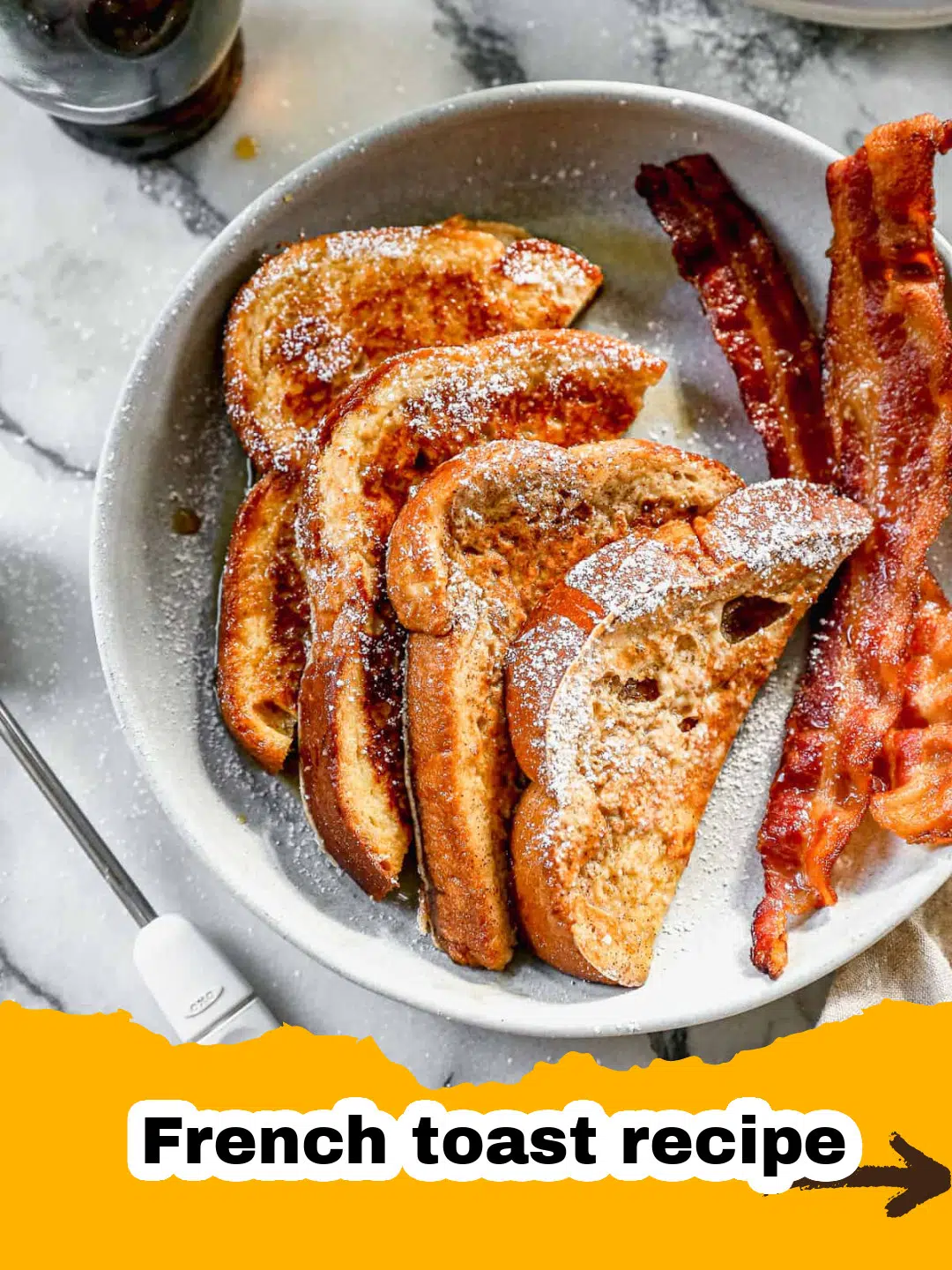
Step-by-Step Guide with Pro Tips for this Incredible French Toast Recipe
Making the perfect French toast recipe is simpler than you think when you follow these clear, easy steps. Get ready to create breakfast perfection!
Variations & Serving Suggestions for Your French Toast Recipe
This classic French toast recipe is fantastic on its own, a true comfort food masterpiece, but it's also a superb base for endless creativity and customization! Don't be afraid to experiment and make it your own.
- Fruity Freshness: Elevate your French toast with a vibrant burst of natural sweetness and color. Top with an abundance of fresh berries (strawberries, blueberries, raspberries), perfectly sliced bananas, or even gently sautéed apples spiced with a pinch of cinnamon. A homemade berry compote or a quick mango salsa can also transform your breakfast into a tropical delight. This addition really brightens up any French toast recipe.
- Nutty Crunch: For added texture, a pleasant chew, and a boost of healthy fats, sprinkle your finished French toast with a generous amount of chopped pecans, walnuts, or almonds. Toasted coconut flakes also add a lovely tropical aroma and crunch.
- Decadent Drizzle: Beyond the traditional, beloved maple syrup, explore other delicious drizzles. Try a rich chocolate sauce, warm caramel, or a vibrant homemade berry syrup. For a truly indulgent experience that transforms this French toast recipe into a dessert, a generous dollop of freshly whipped cream or a scoop of premium vanilla bean ice cream works wonders, especially after a satisfying dinner.
- Savory Twist: Who says French toast can only be sweet? For an unexpected and delightful savory spin, simply omit the sugar from the custard, add a pinch of black pepper, and perhaps a touch of garlic powder. Serve these savory slices with crispy bacon, perfectly fried eggs, or even a slice of creamy avocado and a drizzle of your favorite hot sauce. It's a surprisingly delicious and satisfying way to enjoy your favorite French toast recipe at any time of day.
- Citrus Zest: A little finely grated orange or lemon zest incorporated into the custard mixture, or even delicately sprinkled on top of the cooked French toast, brightens the flavor profile beautifully. It adds a subtle aromatic lift that makes the French toast recipe taste incredibly fresh.
- Make it a Meal: Round out your brunch spread by serving this amazing French toast recipe alongside other breakfast favorites. Think sizzling breakfast sausage, savory crispy bacon, or a refreshing fresh fruit salad. For a heartier meal that might surprise your guests, you could even consider serving it with a side of something unexpected like a comforting classic homestyle lasagna if you're feeling adventurous and love a breakfast-for-dinner concept!
- Overnight Option: For an easier morning, especially if you're hosting a crowd or simply want to sleep in, prepare the custard mixture and slice the bread the night before. Store them separately in airtight containers in the fridge. In the morning, simply dip your slices and cook! This makes serving this French toast recipe a breeze, cutting down on morning prep time significantly. Consider storing your prepped ingredients in durable Basics Glass Food Storage containers for maximum freshness and convenience.
Nutrition Information
Here’s a breakdown of the estimated nutrition information per serving for this French toast recipe. Please note that these values are estimates and can vary based on specific ingredients, bread type, and portion sizes used. These are based on a serving of two medium-sized slices with a light drizzle of syrup.
| Nutrient | Amount per Serving |
|---|---|
| Calories | 520 kcal |
| Carbohydrates | 60 g |
| Cholesterol | 190 mg |
| Fat | 25 g |
| Fiber | 3 g |
| Protein | 15 g |
| Saturated Fat | 12 g |
| Serving Size | 2 slices |
| Sodium | 450 mg |
| Sugar | 25 g |
| Trans Fat | 0.5 g |
| Unsaturated Fat | 10 g |
Conclusion
And there you have it – the ultimate French toast recipe, ready to transform your mornings into something truly special. Whether it's a lazy Sunday brunch, a celebratory holiday feast, or just a simple craving for comfort, this recipe promises warmth, incredible flavor, and a touch of that homemade magic. It’s more than just a meal; it's an opportunity to create cherished memories around the table, just like my grandmother did for me with her classic French toast recipe. So gather your ingredients, fire up the griddle, and get ready to create some deliciousness with this perfect French toast recipe that everyone will rave about. Happy cooking, and enjoy every golden, custardy bite!
FAQs
What kind of bread is best for French toast?
The best breads for French toast are thick-cut (3/4 to 1 inch) varieties like brioche, challah, or day-old sourdough or French bread. These breads are sturdy enough to absorb the custard without becoming soggy and provide a wonderful texture.
How do I prevent my French toast from being soggy?
To prevent soggy French toast, use slightly stale or day-old bread, cut it thick (around 1 inch), and avoid over-soaking. A quick dip of 15-30 seconds per side is usually sufficient. Also, ensure your pan is adequately hot, so the exterior crisps up quickly.
Can I prepare French toast custard ahead of time?
Yes, you can absolutely prepare the French toast custard ahead of time! Whisk all the custard ingredients together, cover it, and store it in the refrigerator for up to 24 hours. When ready to cook, give it a quick whisk again before dipping your bread.
What are some popular toppings for French toast?
Popular toppings for French toast include maple syrup, powdered sugar, fresh berries (strawberries, blueberries, raspberries), sliced bananas, whipped cream, chocolate sauce, fruit compotes, nuts, or even a sprinkle of cinnamon sugar.

The Ultimate Homemade French Toast Recipe
- Total Time: 25 minutes
- Yield: 4 servings (8 slices) 1x
Description
A classic French toast recipe yielding perfectly golden-brown slices with a custardy interior, infused with vanilla and cinnamon. Ideal for a cozy weekend brunch.
Ingredients
8 slices thick-cut bread (brioche, challah, or day-old sourdough, 3/4-1 inch thick)
4 large eggs
1 cup whole milk (or half-and-half for richer results)
2 tablespoons granulated sugar
1 teaspoon pure vanilla extract
1/2 teaspoon ground cinnamon
Pinch of salt
2 tablespoons unsalted butter, for cooking
Maple syrup, fresh berries, powdered sugar for serving
Instructions
Step 1: Whisk together the custard. In a shallow dish or pie plate, whisk the eggs until well beaten. Add the milk, granulated sugar, vanilla extract, cinnamon, and a pinch of salt. Whisk until all ingredients are thoroughly combined and the sugar has dissolved.
Step 2: Prepare your cooking surface. Heat a large non-stick skillet or griddle over medium heat. Add about 1 tablespoon of unsalted butter and let it melt, swirling to coat the pan.
Step 3: Dip the bread. Working with one or two slices at a time (depending on your pan size), place a slice of bread into the egg mixture. Let it soak for 15-30 seconds per side, ensuring it's fully saturated but not soggy. The soaking time depends on the type and freshness of your bread.
Step 4: Cook the French toast. Carefully transfer the dipped bread to the heated skillet. Cook for 2-4 minutes per side, or until golden brown and cooked through. Adjust the heat as needed to prevent burning and ensure even cooking. The internal temperature should reach about 160°F (71°C).
Step 5: Keep warm (optional). As slices are cooked, you can transfer them to a baking sheet and keep them warm in a preheated oven at 200°F (93°C) while you cook the remaining slices.
Step 6: Serve immediately. Once all French toast is cooked, stack them high and serve hot. Garnish with a dusting of powdered sugar, a generous pour of maple syrup, and your favorite fresh berries or other toppings. Enjoy your homemade French toast recipe!
Notes
For best results, use day-old bread. Adjust sugar and cinnamon to your taste. For an even richer flavor, use half-and-half or heavy cream instead of whole milk. Don't overcrowd the pan when cooking.
- Prep Time: 10 minutes
- Cook Time: 15 minutes
- Category: Breakfast, Brunch
- Cuisine: American
Nutrition
- Serving Size: 2 slices
- Calories: 520 kcal
- Sugar: 25 g
- Sodium: 450 mg
- Fat: 25 g
- Saturated Fat: 12 g
- Unsaturated Fat: 10 g
- Trans Fat: 0.5 g
- Carbohydrates: 60 g
- Fiber: 3 g
- Protein: 15 g
- Cholesterol: 190 mg
Leave a Reply