
There's something truly magical about the aroma of gingerbread spices wafting through the house during the holidays. For me, the tradition of building a gingerbread house recipe isn't just about baking; it's a cherished memory-making event. I remember one year, my little niece, barely tall enough to see over the counter, insisted on being the head architect. We had frosting everywhere, gumdrops stuck to the ceiling, and a gingerbread house that leaned more like the Tower of Pisa than a festive cottage. But the laughter, the sticky fingers, and the sheer joy on her face as she placed that final candy cane? Priceless. It’s those imperfect, heartfelt moments that truly capture the spirit of the season. This gingerbread house recipe is designed to be sturdy, delicious, and a joy to create, whether you’re a seasoned pro or a first-time builder with eager little helpers.
Crafting a beautiful gingerbread house is a delightful way to spend time with family and friends, fostering creativity and a sense of accomplishment. It transforms your kitchen into a workshop of wonders and fills your home with an irresistible festive scent. Every year, I look forward to this tradition, knowing that each unique creation tells a story. This particular gingerbread house recipe has been perfected over years of trial and error, ensuring your edible masterpiece stands tall and proud, ready for all your decorating whims.
Why This Gingerbread House Recipe is a Must-Try
- Unrivaled Sturdiness: This isn't just a delicious gingerbread; it's a robust architectural marvel. Our special blend of ingredients and precise baking times ensures pieces that can withstand the weight of ample candy decorations without crumbling. It’s the perfect foundation for an elaborate gingerbread house recipe.
- Irresistible Flavor: Beyond its structural integrity, this gingerbread boasts a rich, deeply spiced flavor that’s perfectly balanced. It’s not just for looking; it’s for tasting too, making your edible display doubly rewarding.
- Easy to Work With: The dough is forgiving, rolls out beautifully without excessive stickiness, and holds its shape during baking, making cutting intricate patterns a breeze. This streamlined process makes building a gingerbread house recipe enjoyable, not frustrating.
- Memories in the Making: More than just a dessert, building a gingerbread house is an experience. This recipe provides the ideal canvas for holiday bonding, laughter, and creating cherished family traditions that will last a lifetime.
Key Ingredient Notes for Your Gingerbread House Recipe
The success of a great gingerbread house recipe lies in understanding the role of each ingredient. Here are a few key players and why they matter:
Molasses: The Heart of Gingerbread
Molasses is non-negotiable for authentic gingerbread flavor and color. For this recipe, I recommend using unsulphured dark molasses, not blackstrap. Dark molasses provides that classic rich, slightly smoky sweetness and helps give the gingerbread its signature deep brown hue. It also contributes to the dough's workability and the final product's chewiness. Without good molasses, your gingerbread won't have that iconic taste or texture.
The Power of Spices: Building Flavor
A generous blend of ground ginger, cinnamon, cloves, and nutmeg is what truly brings this gingerbread house recipe to life. Don't skimp on fresh, quality spices! Old, stale spices lose their potency and won't deliver the warm, aromatic punch we're looking for. Feel free to adjust the ratios slightly to your preference; some like more ginger, others a heavier hand with cinnamon. These spices are not just for flavor but also add to the inviting aroma that fills your home during the holiday season.
Flour Power: Structure and Stability
Using all-purpose flour is standard, but the amount is crucial for the sturdy nature of our gingerbread house. Too little flour, and your gingerbread will spread and lose its shape; too much, and it can be tough. The precise measurement in this gingerbread house recipe ensures a dough that's firm enough to hold its structure, yet still tender once baked. Sifting your dry ingredients together is also important to ensure even distribution and avoid dense spots.
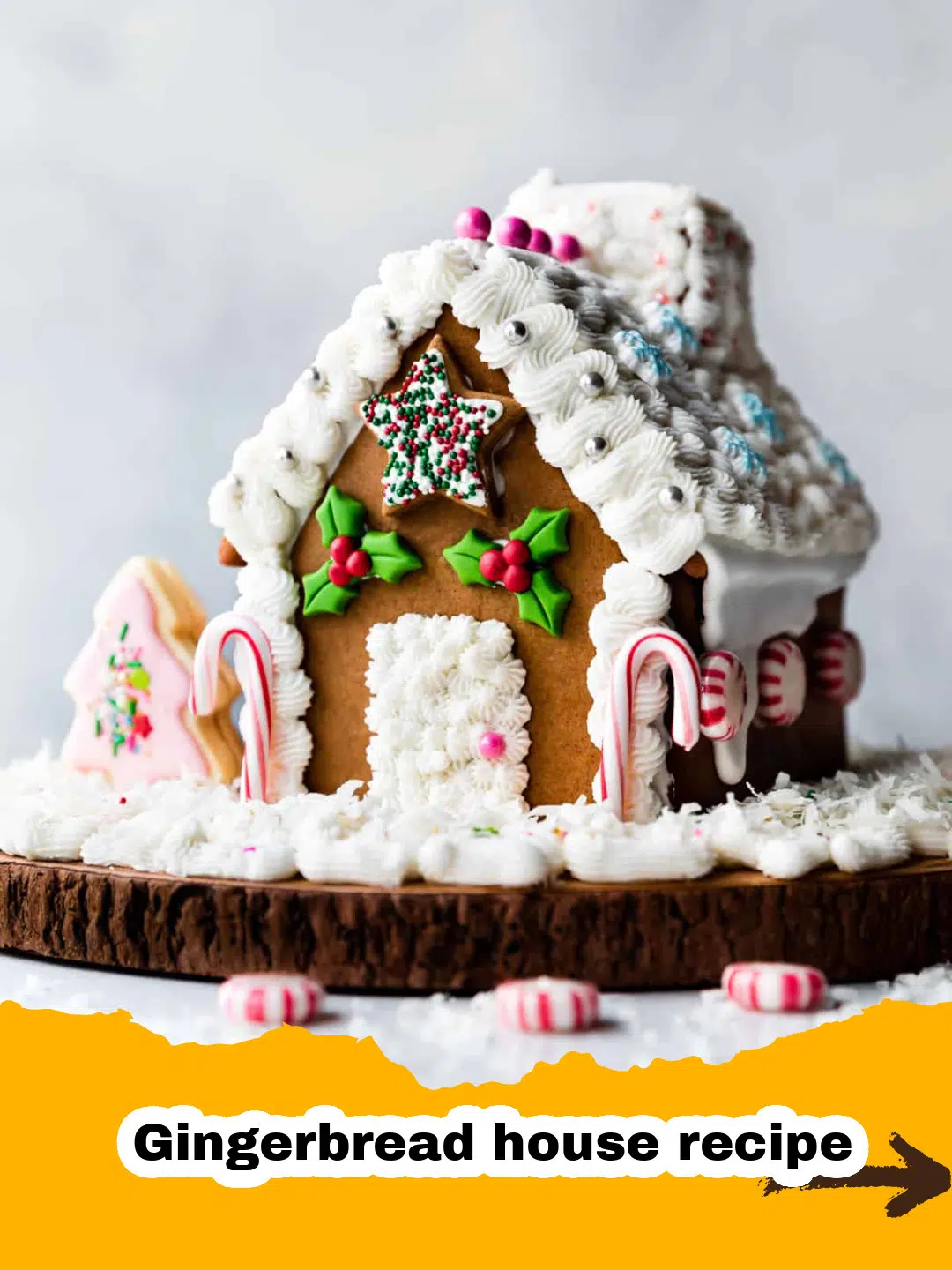
Step-by-Step Guide with Pro Tips for Your Gingerbread House Recipe
Building a gingerbread house can seem daunting, but with this detailed guide, you'll be assembling a masterpiece in no time! Remember, patience is key, especially when letting pieces cool.
Preparing the Gingerbread Dough
Making the dough for your gingerbread house recipe is the first exciting step. In a large bowl, whisk together your flour, baking soda, ground ginger, cinnamon, cloves, and nutmeg. Set this aside. In a separate, larger bowl, cream together the unsalted butter and granulated sugar until light and fluffy. Beat in the molasses and egg until well combined. Gradually add the dry ingredients to the wet, mixing on low speed until just combined. The dough will be stiff. Divide it into two equal portions, flatten them into discs, wrap tightly in plastic wrap, and refrigerate for at least 2 hours, or overnight. This chilling process is vital for easy handling and preventing spread.
Rolling and Cutting Your Gingerbread House Pieces
Once chilled, remove one disc of dough from the refrigerator. Lightly flour your work surface and rolling pin. Roll the dough to an even 1/4-inch thickness. This is a critical step for a sturdy gingerbread house recipe; thinner pieces will be fragile. Use your pre-printed templates (easily found online or designed yourself) to cut out your walls, roof, and any other structural elements. Carefully transfer the cut pieces to baking sheets lined with parchment paper. Re-roll any scraps gently, being careful not to overwork the dough. Repeat with the second disc of dough. Remember, you can store any extra dough wrapped in Basics Glass Food Storage containers in the fridge for a few days to make gingerbread cookies later!
Baking the Gingerbread Pieces
Preheat your oven to 350°F (175°C). Bake the gingerbread pieces for 12-18 minutes, depending on their size and your oven, until the edges are firm and slightly darker. For a truly sturdy gingerbread house recipe, it's better to slightly overbake than underbake. Immediately after removing from the oven, if any pieces have spread or distorted, use your templates to carefully trim the edges straight with a sharp knife while the gingerbread is still warm. This ensures a tight fit when assembling. Let the pieces cool completely on the baking sheets before moving them. They will firm up considerably as they cool.
Making the Royal Icing 'Glue'
Royal icing is the cement of your gingerbread house recipe. In a large bowl, combine powdered sugar, meringue powder, and a little warm water. Beat with an electric mixer on low speed until just combined, then increase to high speed and beat for 5-7 minutes, until very stiff peaks form. If it's too thick, add water a teaspoon at a time. If too thin, add more powdered sugar. Keep the icing covered with a damp cloth when not in use, as it dries quickly.
Assembling Your Gingerbread House
This is where the magic truly begins! Using a piping bag fitted with a medium round tip (or simply snip the corner off a sturdy Ziploc bag), pipe a generous line of royal icing along the edges where two walls will meet. Press them together firmly and hold for a minute or two until the icing begins to set. You may need to use cans or bottles to support the walls as they dry. Once all four walls are securely standing, let them dry for at least 30 minutes, or preferably an hour, before attaching the roof. For the roof, pipe icing along the top edges of the walls and the peak, then carefully place the roof pieces. Secure with more icing along the seams. Let the entire structure dry for several hours, or even overnight, before decorating. This waiting period is crucial for the stability of your gingerbread house recipe.
Decorating Your Masterpiece
Now for the fun part! Unleash your creativity with candies, sprinkles, pretzels, and more royal icing. Use various piping tips to create decorative details like snow, icicles, windows, and doors. Gumdrops, M&M's, candy canes, and even cereal can be used to add color and texture. Imagine creating a snowy landscape with shredded coconut or a festive path with sprinkles. While you're decorating, set the festive mood with some Christmas Simmer Pot Recipes to fill your home with wonderful aromas. Don't forget a refreshing drink to sip on as you work; perhaps a Sparkling Cranberry & Citrus Holiday Punch!
Variations & Serving Suggestions
This robust gingerbread house recipe is incredibly versatile. While the traditional design is charming, don't hesitate to get creative:
- Theme It Up: Instead of a classic house, create a gingerbread barn, a cozy cabin, or even a futuristic gingerbread spaceship! The sturdy dough allows for complex shapes.
- Mini Houses: Use smaller templates to create individual mini gingerbread houses for each family member or as charming party favors.
- Gingerbread Village: Build several houses of varying sizes to create an entire edible village scene, complete with gingerbread trees and fences.
- Edible Art: If you're not planning to eat the house, experiment with edible paints or more intricate royal icing designs. This gingerbread house recipe makes a fantastic centerpiece.
While often seen as a decoration, this gingerbread is delicious! Leftover scraps can be baked into cookies. Serve slices of the gingerbread (if you can bear to cut into your masterpiece!) with a dollop of whipped cream or a scoop of vanilla ice cream.
Nutrition Information
Here's a detailed look at the estimated nutrition per serving for your homemade gingerbread house recipe. Please note these are estimates and can vary based on specific ingredients and serving sizes, especially with added candies and icing.
| Nutrient | Amount per serving |
|---|---|
| Calories | 380 kcal |
| Carbohydrate Content | 75 g |
| Cholesterol Content | 25 mg |
| Fat Content | 9 g |
| Fiber Content | 1 g |
| Protein Content | 4 g |
| Saturated Fat Content | 5 g |
| Serving Size | 1/12 house (approx. 70g) |
| Sodium Content | 150 mg |
| Sugar Content | 45 g |
| Trans Fat Content | 0.1 g |
| Unsaturated Fat Content | 3 g |
Please remember, this gingerbread house recipe often includes a significant amount of additional sugar from decorations. Enjoy in moderation!
Conclusion
Building a gingerbread house with this reliable recipe is more than just a culinary project; it's an enchanting holiday tradition that creates lasting memories and fills your home with joy and incredible aromas. From the perfectly spiced dough to the sturdy construction and the limitless decorating possibilities, every step is a delight. So gather your loved ones, embrace the sticky fingers and sweet chaos, and embark on the wonderful journey of creating your very own edible holiday masterpiece. This gingerbread house recipe promises a truly magical experience for everyone involved. Happy building and happy holidays!
FAQs
How do I make sure my gingerbread house recipe is sturdy?
To ensure your gingerbread house is sturdy, use good quality all-purpose flour and dark molasses. Roll the dough to an even 1/4-inch thickness, and bake the pieces until they are firm and slightly darker than you might for a cookie. Most importantly, allow the baked gingerbread pieces to cool completely and harden before assembly, and give the royal icing plenty of time to set between attaching walls and roof sections.
How long can a decorated gingerbread house last?
If stored in a cool, dry place away from humidity, a decorated gingerbread house can last for several weeks, or even months, primarily as a decoration. The gingerbread itself will stay good for a while, but the freshness of candies and the royal icing will determine its edible lifespan, usually up to 2-3 weeks before candies might start to get stale or soft.
What's the best type of icing for a gingerbread house recipe?
Royal icing is hands down the best choice for a gingerbread house recipe. Its sturdy, quick-setting nature acts like a powerful adhesive, holding the pieces together firmly. It also provides a strong, smooth base for attaching decorations and creating intricate details like snow and icicles.
Can I prepare the gingerbread dough in advance?
Yes, absolutely! The gingerbread dough for this recipe can be made up to 2-3 days in advance and stored tightly wrapped in plastic wrap in the refrigerator. This is a great time-saving tip that allows you to break up the gingerbread house recipe process into more manageable steps over several days.

Classic Sturdy Gingerbread House Recipe
- Total Time: 2 hours 30 minutes + drying time
- Yield: 1 large gingerbread house or 2 medium ones 1x
Description
This ultimate gingerbread house recipe provides a robust, perfectly spiced gingerbread dough that's ideal for building sturdy and beautiful edible houses, complete with a reliable royal icing 'glue'. Perfect for holiday traditions!
Ingredients
3 cups all-purpose flour, plus more for dusting
1 tsp baking soda
1 tbsp ground ginger
1 tbsp ground cinnamon
1/2 tsp ground cloves
1/2 tsp ground nutmeg
1/4 tsp salt
1/2 cup (1 stick) unsalted butter, softened
1/2 cup granulated sugar
1 cup dark unsulphured molasses
1 large egg
1 tsp vanilla extract
For Royal Icing:
4 cups powdered sugar, sifted
1/4 cup meringue powder
1/2 cup warm water (or more, as needed)
Assorted candies, sprinkles, and decorations
Instructions
Step 1: In a large bowl, whisk together the flour, baking soda, ground ginger, cinnamon, cloves, nutmeg, and salt. Set aside.
Step 2: In a separate, larger bowl, cream together the softened butter and granulated sugar with an electric mixer until light and fluffy.
Step 3: Beat in the molasses and egg until well combined. Add the vanilla extract and mix.
Step 4: Gradually add the dry ingredients to the wet ingredients, mixing on low speed until just combined and a stiff dough forms. Do not overmix.
Step 5: Divide the dough into two equal portions, flatten each into a disc, wrap tightly in plastic wrap, and refrigerate for at least 2 hours, or preferably overnight. This chilling step is crucial for dough stability and ease of handling.
Step 6: Preheat your oven to 350°F (175°C). Line several baking sheets with parchment paper. Prepare your gingerbread house templates (print them out or draw your own).
Step 7: On a lightly floured surface, roll out one disc of chilled dough to an even 1/4-inch thickness. Place your templates on the dough and cut out the pieces using a sharp knife. Carefully transfer the cut pieces to the prepared baking sheets.
Step 8: Bake for 12-18 minutes, depending on the size and thickness of your pieces, until the edges are firm and slightly darker. For a sturdy gingerbread house recipe, it's better to slightly overbake than underbake.
Step 9: Immediately upon removing from the oven, if any pieces have spread or distorted, use your templates to carefully trim the edges straight with a sharp knife while the gingerbread is still warm. This ensures tight joints during assembly.
Step 10: Let the baked gingerbread pieces cool completely on the baking sheets. They will become much firmer as they cool. Do not attempt to move them until fully cooled.
Step 11: To make the royal icing: In a large bowl, combine the sifted powdered sugar and meringue powder. Gradually add warm water, starting with 1/4 cup, and beat with an electric mixer on low speed until combined. Increase speed to high and beat for 5-7 minutes until very stiff peaks form. If too thick, add more water 1 teaspoon at a time; if too thin, add more powdered sugar.
Step 12: Keep the royal icing covered with a damp cloth or plastic wrap when not in use, as it dries very quickly. Transfer a portion of icing to a piping bag fitted with a medium round tip (or simply snip a small corner off a sturdy plastic bag).
Step 13: Assemble your gingerbread house: Pipe a generous line of royal icing along the edges where two walls will meet. Press them together firmly and hold for a minute or two until the icing begins to set. You can use cans or bottles as temporary supports. Repeat for all four walls. Allow the walls to dry for at least 30-60 minutes before attaching the roof.
Step 14: Once the walls are secure, pipe icing along the top edges of the walls and the peak. Carefully place the roof pieces, pressing gently. Secure any seams with more icing. Allow the entire structure to dry for several hours, or preferably overnight, for maximum stability before decorating.
Step 15: Once dry, unleash your creativity! Decorate your gingerbread house with assorted candies, sprinkles, and royal icing designs. Use different piping tips to create windows, doors, snow, and icicles.
Notes
For best results, use fresh, good quality spices. Ensure all gingerbread pieces are fully cooled and hardened before attempting assembly to prevent breakage. Patience is key when letting the royal icing set between assembly stages!
- Prep Time: 2 hours 30 minutes (includes chilling)
- Cook Time: 30 minutes
- Category: Dessert
- Cuisine: European
Nutrition
- Serving Size: 1/12 house (approx. 70g)
- Calories: 380 kcal
- Sugar: 45 g
- Sodium: 150 mg
- Fat: 9 g
- Saturated Fat: 5 g
- Unsaturated Fat: 3 g
- Trans Fat: 0.1 g
- Carbohydrates: 75 g
- Fiber: 1 g
- Protein: 4 g
- Cholesterol: 25 mg
Leave a Reply