There's something truly magical about the aroma of a perfectly roasted rib roast filling your home, especially during the holidays. For years, the idea of tackling a rib roast recipe rib roast recipe rib roast recipe felt like an Everest-sized culinary challenge. My first attempt was a well-meaning but dry piece of meat, far from the showstopper I’d envisioned for Christmas dinner. That humbling experience ignited a fire in me to master the art. I devoured cookbooks, watched countless videos, and pestered every seasoned cook I knew for their secrets. What I discovered wasn't a single magic trick, but a combination of simple techniques. This journey transformed my holiday dinners, turning that daunting challenge into an eagerly anticipated tradition. Now, carving into a succulent, perfectly cooked rib roast with a glistening crust and juicy, rosy interior is a moment of pure joy and pride. This isn't just a recipe; it's the culmination of years of learning, a guide to creating unforgettable culinary memories, and I'm thrilled to share every detail with you.
Why This Rib Roast Recipe is a Must-Try
- Unmatched Flavor and Tenderness: This method ensures a deeply flavorful crust and a perfectly tender, juicy interior every single time. Forget dry, bland roasts; this rib roast recipe rib roast recipe rib roast recipe delivers on all fronts.
- Impressive Presentation: A beautifully roasted rib roast is the ultimate centerpiece for any special occasion, from holiday gatherings to intimate celebrations. It looks as incredible as it tastes.
- Simplicity in Perfection: While it might seem intimidating, our step-by-step guide breaks down the process into easy, manageable stages, making this rib roast recipe rib roast recipe rib roast recipe accessible for home cooks of all skill levels.
- Perfectly Cooked Results: We utilize a reverse-sear method to achieve an even cook from edge to edge, guaranteeing a consistent rosy medium-rare throughout, a hallmark of an exceptional rib roast recipe rib roast recipe rib roast recipe.
Key Ingredient Notes for Your Rib Roast Recipe
The success of any great rib roast recipe rib roast recipe rib roast recipe hinges on the quality of its ingredients. Here are a few to pay special attention to:
The Rib Roast Itself
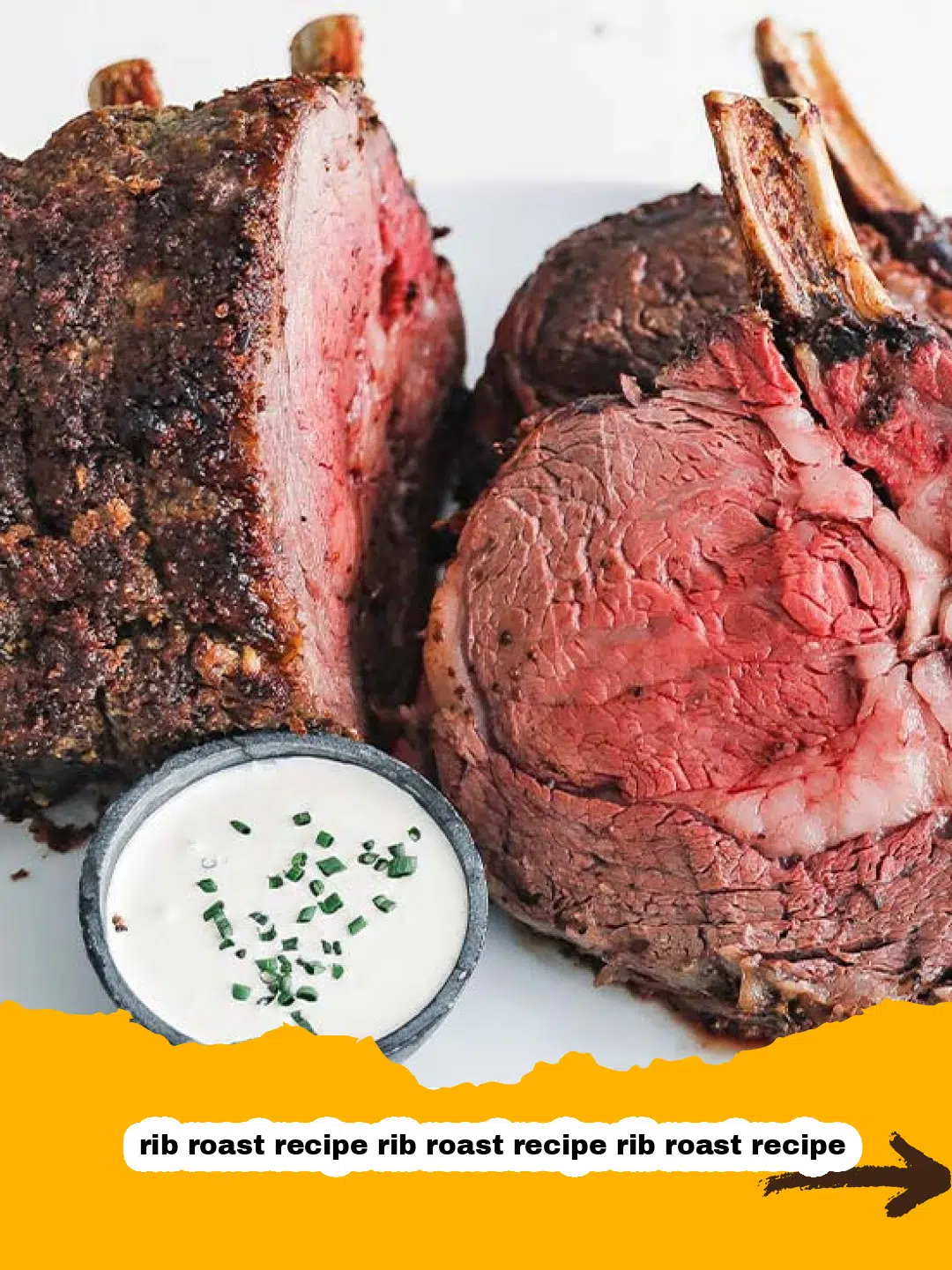
Start with a high-quality standing rib roast, sometimes called prime rib. Look for good marbling – those tiny flecks of fat throughout the meat. This marbling melts during cooking, basting the meat from within and contributing significantly to tenderness and flavor. A bone-in roast offers more flavor and insulation during cooking, though a boneless roast can be easier to carve. Ask your butcher to 'chine' the bones for you, which means they'll cut the backbone away from the ribs but leave it attached. This makes for easy carving later while still benefiting from the bones during cooking. Don't shy away from a good quality cut; it's the star of your rib roast recipe rib roast recipe rib roast recipe.
High-Quality Seasoning
While often overlooked, the seasoning makes a world of difference. A simple blend of coarse salt (like kosher or sea salt), freshly cracked black pepper, garlic powder, onion powder, and dried herbs like rosemary and thyme forms the backbone of a classic rib roast recipe rib roast recipe rib roast recipe. Ensure your spices are fresh for maximum potency. Don't skimp on the salt – it's crucial for drawing out moisture and creating that irresistible crust. A generous application is key for this rib roast recipe rib roast recipe rib roast recipe.
Aromatics for the Roasting Pan
Placing aromatics like sliced onions, carrots, and celery, along with fresh sprigs of rosemary and thyme, in the bottom of your roasting pan does more than just fill your kitchen with wonderful smells. These vegetables elevate the roast slightly, allowing for better airflow, and as they caramelize, they contribute incredible depth of flavor to the pan drippings, which are essential for making a killer au jus. This simple addition greatly enhances the final product of your rib roast recipe rib roast recipe rib roast recipe.
Step-by-Step Guide with Pro Tips
Creating the perfect rib roast doesn't have to be complicated. Follow these steps for an unforgettable rib roast recipe rib roast recipe rib roast recipe:
Step 1: Prepare the Roast and Bring to Room Temperature
Remove your rib roast from the refrigerator at least 3-4 hours before cooking. This crucial step allows the meat to come closer to room temperature, ensuring a more even cook. Pat the roast completely dry with paper towels – moisture is the enemy of a good crust! Season generously all over with a mixture of coarse salt, black pepper, garlic powder, onion powder, and dried herbs like rosemary and thyme. Really press the seasoning into the meat. This is a foundational step for any exceptional rib roast recipe rib roast recipe rib roast recipe.
Step 2: Preheat Oven and Prepare Roasting Pan
Preheat your oven to a low temperature, typically 250°F (120°C). Place the aromatics (sliced onions, carrots, celery, fresh herbs) in the bottom of a sturdy roasting pan. If your roast is boneless, place it on a V-rack or roasting rack set inside the pan. If bone-in, the bones themselves can act as a natural rack. This low and slow initial cook is central to our rib roast recipe rib roast recipe rib roast recipe strategy.
Step 3: Slow Roasting Phase
Insert an oven-safe meat thermometer into the thickest part of the roast, avoiding bone. Place the roast in the preheated oven. Cook until the internal temperature reaches about 120-125°F (49-52°C) for medium-rare, or 130-135°F (54-57°C) for medium. This slow roasting can take anywhere from 2.5 to 4 hours, depending on the size of your roast and your oven. The goal is to cook it gently and evenly. This part of the rib roast recipe rib roast recipe rib roast recipe is where patience truly pays off.
Step 4: Rest and Reverse Sear
Once the desired internal temperature is reached, remove the roast from the oven. Transfer it to a cutting board, tent loosely with foil, and let it rest for at least 30 minutes, or up to an hour. During this time, the internal temperature will continue to rise slightly (carry-over cooking), and the juices will redistribute, ensuring a tender and moist rib roast. While it rests, increase your oven temperature to 450-500°F (230-260°C). After resting, return the roast to the very hot oven for 10-15 minutes, or until a beautiful, deep brown crust forms. This reverse sear is the secret to an incredible exterior for your rib roast recipe rib roast recipe rib roast recipe.
Step 5: Final Rest and Carving
Remove the rib roast from the oven again after searing. Let it rest for another 15-20 minutes. This second rest is just as important as the first. Then, carve. If you have a bone-in roast where the bones were chined, simply cut along the bones to remove them, then slice the meat against the grain into desired thickness. Serve immediately with pan drippings or a homemade Au Jus. For a complete holiday meal, don't forget sides like our Sky-High Yorkshire Puddings. This completes the ultimate rib roast recipe rib roast recipe rib roast recipe experience.
Variations & Serving Suggestions
This fantastic rib roast recipe rib roast recipe rib roast recipe offers a versatile foundation for a grand meal. Here are some ideas to make it your own:
- Herb Crust Variations: Experiment with different herb combinations. A blend of fresh rosemary, thyme, and finely minced garlic, mixed with a little olive oil and Dijon mustard, can create a vibrant, aromatic crust. For a spicy kick, add a pinch of cayenne or red pepper flakes to your rub.
- Compound Butter Finish: During the final rest, melt a pat of herb compound butter over the hot roast for an extra layer of richness and flavor. Garlic-herb butter is always a winner.
- Serving Suggestions: Beyond the classic au jus and Yorkshire puddings, consider pairing your rib roast with creamy mashed potatoes, roasted asparagus, or a fresh green salad. For a decadent touch, a rich mushroom gravy or a horseradish cream sauce perfectly complements the rich flavor of the rib roast. Leftovers, if you're so lucky, make incredible sandwiches or can be stored in an airtight container, perhaps some Basics Glass Food Storage containers, for another meal. This rib roast recipe rib roast recipe rib roast recipe keeps giving!
- Wine Pairings: A robust red wine such as Cabernet Sauvignon, Merlot, or a Syrah/Shiraz stands up beautifully to the richness of the rib roast.
Nutrition Information
While the exact nutritional values can vary based on portion size and specific cut, here's a general estimate for a serving of this delicious rib roast recipe rib roast recipe rib roast recipe:
| Nutrient | Amount per serving |
|---|---|
| Calories | 650 kcal |
| Carbohydrate Content | 2g |
| Cholesterol Content | 180mg |
| Fat Content | 50g |
| Fiber Content | 0g |
| Protein Content | 45g |
| Saturated Fat Content | 20g |
| Serving Size | 4 oz (112g) |
| Sodium Content | 350mg |
| Sugar Content | 0g |
| Trans Fat Content | 2g |
| Unsaturated Fat Content | 28g |
Conclusion
There you have it – the ultimate guide to creating a show-stopping rib roast that will impress even the most discerning palates. This rib roast recipe rib roast recipe rib roast recipe isn't just about cooking; it's about creating memories, celebrating traditions, and enjoying the process of bringing incredible food to your table. With these techniques and tips, you're well on your way to mastering this culinary classic. So, gather your ingredients, fire up that oven, and get ready to enjoy the most delicious, tender, and perfectly crusted rib roast you've ever made. Happy roasting!
FAQs
What is the ideal internal temperature for a medium-rare rib roast?
For a perfect medium-rare rib roast, aim for an internal temperature of 120-125u00b0F (49-52u00b0C) after the slow roasting phase. Remember, the temperature will rise an additional 5-10 degrees during the resting period.
How long should I let my rib roast rest after cooking?
It's crucial to rest your rib roast for two periods. First, after the initial slow roast, rest it loosely tented with foil for 30-45 minutes. Then, after the final high-heat sear, let it rest uncovered for another 15-20 minutes. This ensures the juices redistribute, resulting in a more tender and moist roast.
What's the best way to get a crispy crust on my rib roast?
The secret to a crispy crust is the 'reverse sear' method. After slow roasting and the first rest, crank your oven to 450-500u00b0F (230-260u00b0C) and return the roast to the hot oven for 10-15 minutes. This high heat will quickly brown the exterior and create that irresistible crust.
Can I prepare my rib roast in advance?
You can season your rib roast up to 24-48 hours in advance and keep it refrigerated. This allows the salt to penetrate deeply, enhancing flavor and tenderness. Just remember to bring it to room temperature for 3-4 hours before roasting on the day of cooking.
The Perfect Holiday Rib Roast Recipe
- Total Time: 4 hours
- Yield: 8-10 servings 1x
Description
Master the art of roasting a succulent, tender, and flavorful rib roast with a beautiful crust. This comprehensive rib roast recipe ensures a show-stopping centerpiece for any special occasion.
Ingredients
5-7 lb bone-in or boneless standing rib roast (prime rib)
3 tablespoons coarse sea salt or kosher salt
2 tablespoons freshly cracked black pepper
1 tablespoon garlic powder
1 tablespoon onion powder
1 tablespoon dried rosemary
1 tablespoon dried thyme
2 large yellow onions, roughly chopped
3 carrots, roughly chopped
3 celery stalks, roughly chopped
4 sprigs fresh rosemary
4 sprigs fresh thyme
Olive oil (optional, for rubbing)
Instructions
Step 1: Remove the rib roast from the refrigerator at least 3-4 hours before cooking. This allows it to come to room temperature, ensuring a more even cook. Pat the roast completely dry with paper towels.
Step 2: In a small bowl, combine coarse salt, black pepper, garlic powder, onion powder, dried rosemary, and dried thyme. Rub the mixture generously all over the rib roast, pressing it into the meat. If desired, you can lightly coat the roast with olive oil before applying the rub for better adhesion.
Step 3: Preheat your oven to 250°F (120°C). Place the chopped onions, carrots, celery, fresh rosemary, and fresh thyme in the bottom of a large roasting pan.
Step 4: Place the seasoned rib roast on a V-rack or roasting rack set inside the roasting pan, ensuring it's elevated above the vegetables. If bone-in, the bones can serve as a natural rack. Insert an oven-safe meat thermometer into the thickest part of the roast, avoiding the bone.
Step 5: Roast in the preheated oven until the internal temperature reaches 120-125°F (49-52°C) for medium-rare, or 130-135°F (54-57°C) for medium. This slow roasting process will take approximately 2.5 to 4 hours, depending on the size of your roast.
Step 6: Once the desired internal temperature is reached, remove the roast from the oven and transfer it to a cutting board. Tent loosely with aluminum foil and let it rest for at least 30-45 minutes. Do not skip this step, as it allows juices to redistribute.
Step 7: While the roast is resting, increase your oven temperature to 450-500°F (230-260°C).
Step 8: After resting, return the roast to the very hot oven (without the foil) for 10-15 minutes, or until a beautiful, deep brown, crispy crust has formed. Keep a close eye on it to prevent burning.
Step 9: Remove the rib roast from the oven for a final rest. Let it sit uncovered for another 15-20 minutes before carving.
Step 10: To carve, carefully cut away the chined bones if they are still attached. Then, slice the meat against the grain into desired thickness. Serve immediately with the pan drippings or a homemade au jus, and your favorite holiday side dishes.
Notes
For the best results, use an accurate meat thermometer. The resting periods are crucial for a juicy roast. Don't skip them! The reverse-sear method ensures even cooking and a fantastic crust. The pan drippings from this rib roast recipe rib roast recipe rib roast recipe make an excellent base for gravy or au jus.
- Prep Time: 30 minutes
- Cook Time: 3 hours 30 minutes
- Category: Main Dish
- Cuisine: American
Nutrition
- Serving Size: 4 oz (112g)
- Calories: 650 kcal
- Sugar: 0g
- Sodium: 350mg
- Fat: 50g
- Saturated Fat: 20g
- Unsaturated Fat: 28g
- Trans Fat: 2g
- Carbohydrates: 2g
- Fiber: 0g
- Protein: 45g
- Cholesterol: 180mg
Leave a Reply