
There's something uniquely comforting about the aroma of freshly baked bread wafting through the house. It transports me back to my grandmother's kitchen, where every Sunday, a warm, golden loaf emerged from her oven, ready to be slathered with butter and jam. That memory, those moments of simple joy, are what inspired me to master the ultimate sandwich bread recipe. For years, I chased that elusive perfect texture and taste, experimenting with countless variations. I wanted a bread that was soft enough for a delicate jam sandwich, sturdy enough for a hearty lunch, and flavorful enough to stand on its own. After many trials and errors, I finally cracked the code, and today, I'm thrilled to share with you the sandwich bread recipe that has become a staple in my home. It’s more than just food; it’s a connection to cherished memories and a promise of delicious ones to come.
Why This Sandwich Bread Recipe is a Must-Try
- Unmatched Freshness and Flavor: Nothing compares to the taste and aroma of homemade bread. This sandwich bread recipe yields a loaf that's infinitely more flavorful than anything you can buy at the store.
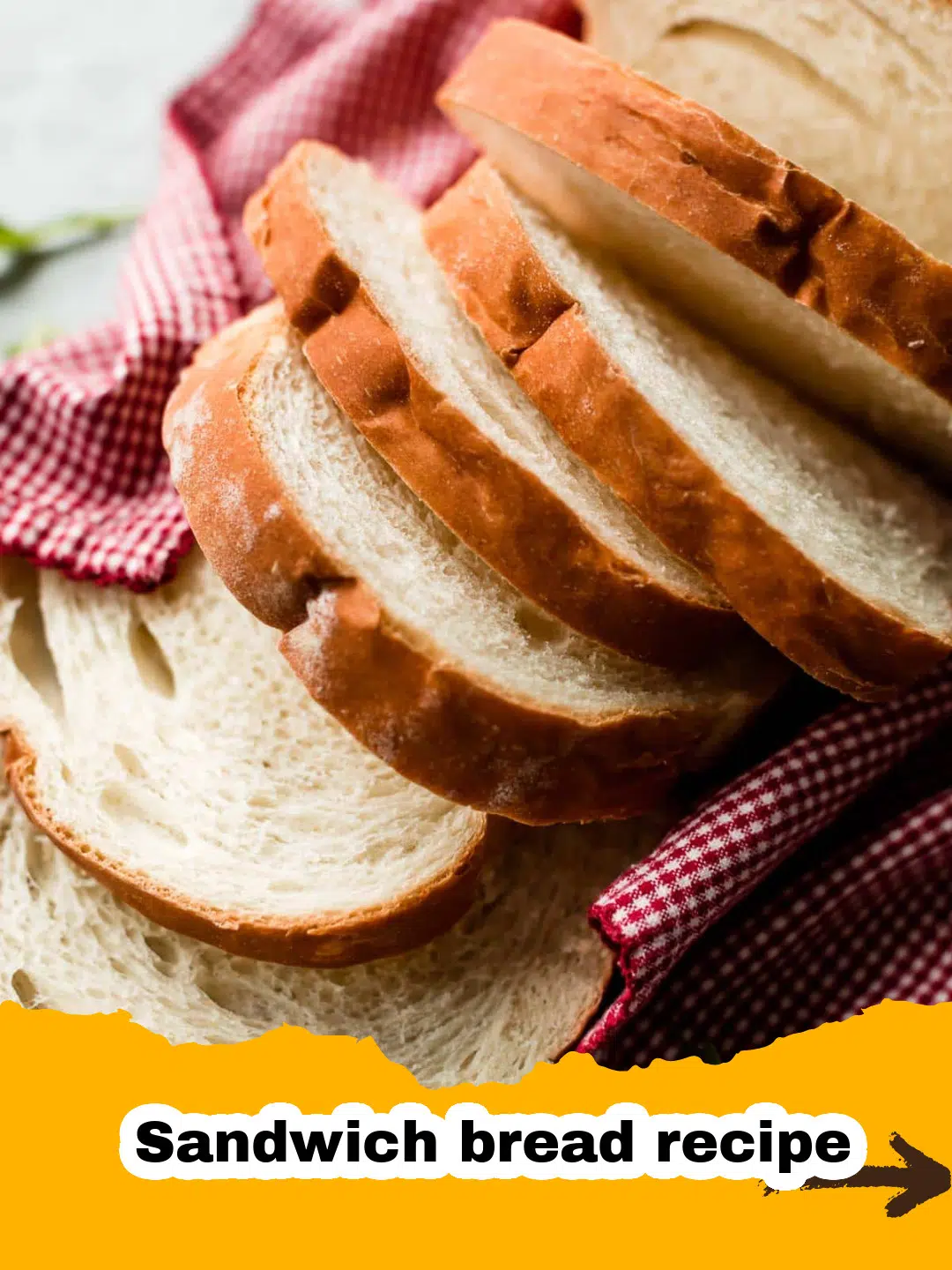
- Perfect Texture Every Time: Forget dry, crumbly bread. This recipe consistently produces a soft, fluffy interior with a delicate, golden crust – ideal for any sandwich filling, from classic PB&J to a gourmet turkey club.
- Simple Ingredients, Stunning Results: You don't need fancy equipment or exotic ingredients. With basic pantry staples, you can create bakery-quality bread right in your own kitchen.
- Control What You Eat: Making your own bread means you control the ingredients, avoiding unwanted preservatives and additives often found in commercial loaves. Enjoy the peace of mind that comes with wholesome, homemade goodness.
Key Ingredient Notes for Your Perfect Sandwich Bread Recipe
While the beauty of this sandwich bread recipe lies in its simplicity, a few key ingredients deserve special attention to ensure your loaf turns out perfectly every single time.
All-Purpose Flour: The Foundation of Your Loaf
Most of us have all-purpose flour in our pantry, and it works beautifully for this sandwich bread recipe. Its moderate protein content creates a tender crumb without being too dense. For best results, measure your flour by weight (around 120-125g per cup) if possible, as volume measurements can vary wildly. If you don't have a kitchen scale, make sure to "fluff" your flour with a spoon before lightly spooning it into a measuring cup and leveling it off with a straight edge. Don't pack it down!
Active Dry Yeast: The Magic Behind the Rise
Yeast is a living organism, and its activity is crucial for a fluffy loaf. Always check the expiration date on your yeast packet. The first step of this sandwich bread recipe involves "proofing" the yeast in warm water and a little sugar. This step confirms your yeast is alive and well. If your yeast doesn't get foamy after 5-10 minutes, it's best to discard it and start with a fresh packet. Water that's too hot will kill the yeast, and water that's too cold won't activate it effectively. Aim for a temperature between 105-115°F (40-46°C).
Warm Milk & Melted Butter: For Richness and Tenderness
The addition of warm milk (not boiling!) and melted butter is what gives this sandwich bread recipe its signature richness and incredibly soft texture. The fats in the milk and butter inhibit gluten development slightly, resulting in a more tender crumb. Ensure your milk is warm, similar to the water for the yeast, to help create an optimal environment for the dough to rise without scalding the yeast. Unsalted butter is preferred so you can control the overall salt content, but if you only have salted, simply reduce the added salt in the recipe by about a quarter teaspoon.
Step-by-Step Guide with Pro Tips for this Sandwich Bread Recipe
Follow these detailed steps to bake the most incredible homemade sandwich bread you've ever tasted. This sandwich bread recipe is designed to be approachable for bakers of all skill levels.
- Step 1: In a large bowl or the bowl of a stand mixer, combine 1 cup warm water (105-115°F / 40-46°C), 1 tablespoon of the granulated sugar, and the active dry yeast. Stir gently and let it sit for 5-10 minutes until foamy. This bubbling action is proof that your yeast is alive and ready to work its magic on your sandwich bread recipe!
- Step 2: Add 1 cup warm milk (105-115°F / 40-46°C), 1/4 cup melted butter, the remaining granulated sugar, and 1 1/2 teaspoons salt to the yeast mixture. Mix until well combined. The warmth helps the ingredients incorporate smoothly.
- Step 3: Gradually add 3 cups of all-purpose flour, one cup at a time, mixing on low speed with a dough hook (or with a sturdy wooden spoon) until just combined. Continue adding flour, 1/2 cup at a time, until the dough comes together and starts to pull away from the sides of the bowl. The dough should be soft, pliable, and slightly sticky to the touch. It's crucial not to add too much flour, as this can lead to a dry, dense loaf. Trust the feel of the dough over the exact measurement for this essential sandwich bread recipe step.
- Step 4: Turn the dough out onto a lightly floured surface and knead for 8-10 minutes by hand, or continue kneading with the dough hook on medium speed for 6-8 minutes, until the dough is smooth, elastic, and springs back when gently poked. This kneading develops the gluten, which is what gives our sandwich bread recipe its structure and chew.
- Step 5: Lightly grease a large bowl with a little oil. Place the dough ball in the bowl, turning once to coat all sides. Cover the bowl snugly with plastic wrap or a clean kitchen towel and let it rise in a warm place for 1-1.5 hours, or until doubled in size. A warm spot could be near a sunny window, in a slightly warm (but turned off) oven, or near a pilot light. Patience is key here for a truly fluffy loaf!
- Step 6: Once doubled, gently "punch down" the dough to release the accumulated air. Turn it out onto a lightly floured surface. To shape the dough into a loaf: flatten it into a rough rectangle (about 9x13 inches), then roll it tightly from one short end to the other, like a jelly roll. Pinch the seam closed firmly along the bottom. Tuck the ends under slightly to create a neat loaf shape. This shaping technique ensures a uniform crumb and helps the loaf rise evenly in the pan.
- Step 7: Place the shaped dough into a well-greased 9x5-inch loaf pan, seam-side down. Cover the loaf pan loosely with plastic wrap or a kitchen towel and let it rise again in a warm place for another 30-45 minutes, or until it has risen about an inch above the rim of the pan. During the last 15 minutes of this second rise, preheat your oven to 375°F (190°C). This final rise is crucial for the light texture of this sandwich bread recipe.
- Step 8: Bake the bread for 30-35 minutes, or until the crust is beautifully golden brown and the internal temperature, checked with an instant-read thermometer, reaches 190-200°F (88-93°C). If you notice the top browning too quickly, you can loosely tent it with a piece of aluminum foil to prevent over-browning.
- Step 9: Remove the loaf from the oven and immediately turn it out onto a wire rack to cool completely before slicing. Resisting the urge to cut into it while it's hot is the hardest part, but it's essential! Cooling allows the internal structure of the bread to set and prevents a gummy texture. Once cooled, you can store your delicious homemade sandwich bread recipe creation. For storing leftover slices, I highly recommend using Basics Glass Food Storage containers; they keep it fresh and prevent it from drying out.
Variations & Serving Suggestions for Your Sandwich Bread Recipe
This basic sandwich bread recipe is wonderfully versatile, offering a canvas for your creativity. Once you master the fundamental loaf, feel free to experiment with these ideas:
Flavor Variations:
- Whole Wheat Blend: For a heartier loaf, substitute 1-2 cups of all-purpose flour with whole wheat flour. You might need a little extra liquid, as whole wheat absorbs more. This will give you a delicious whole wheat sandwich bread recipe.
- Herb & Cheese: Incorporate 1/2 cup shredded cheddar cheese and 2 tablespoons of chopped fresh herbs (like rosemary or thyme) into the dough during the last few minutes of kneading. Perfect for a savory slice!
- Honey Oat: Replace half of the granulated sugar with honey and add 1/2 cup of rolled oats to the dough for a slightly sweet, textured bread.
- Milk Bread: For an even softer, slightly sweeter loaf, increase the milk to 1.5 cups and reduce the water to 0.5 cups.
Serving Suggestions:
- Classic Sandwiches: The most obvious choice! This bread is ideal for everything from a simple grilled cheese to a towering club sandwich. Imagine a Salisbury Steak sandwich on this homemade bread – divine!
- Perfect Toast: Slice it thick, toast it to golden perfection, and slather with butter and your favorite jam, or avocado and a sprinkle of everything bagel seasoning.
- Garlic Bread: Brush slices with melted garlic butter, sprinkle with parsley, and bake until golden for an irresistible side to any Italian meal.
- French Toast: This bread makes exceptionally good French toast, soaking up the eggy custard beautifully without falling apart. A great way to use slightly stale bread!
- Croutons or Breadcrumbs: If you have any leftover pieces that are a bit stale, cube them and bake for homemade croutons, or process them into fresh breadcrumbs for your favorite recipes, like a topping for a casserole or to bind meatballs. You could even use it to mop up the delicious sauce from a chicken stir fry.
Nutrition Information
Here's a breakdown of the estimated nutrition information per serving for this sandwich bread recipe. Please note these are estimates and can vary based on exact ingredients and portion sizes.
| Nutrient | Amount per serving |
|---|---|
| Calories | 150 kcal |
| Carbohydrate Content | 28g |
| Cholesterol Content | 8mg |
| Fat Content | 3g |
| Fiber Content | 1g |
| Protein Content | 5g |
| Saturated Fat Content | 2g |
| Serving Size | 1 slice (approx. 40g) |
| Sodium Content | 200mg |
| Sugar Content | 4g |
| Trans Fat Content | 0g |
| Unsaturated Fat Content | 1g |
Conclusion
Baking your own bread, especially a simple yet satisfying sandwich bread recipe like this one, is an incredibly rewarding experience. There's a profound satisfaction that comes from transforming humble ingredients into something so delicious and essential. I hope this recipe brings as much joy and comfort to your kitchen as it has to mine. Don't be intimidated; homemade bread is far more forgiving than you might think. Give this sandwich bread recipe a try, and prepare to elevate your sandwiches and breakfasts to a whole new level. Happy baking!
FAQs
How do I know if my yeast is active for this sandwich bread recipe?
To check if your active dry yeast is active, combine it with warm water (105-115u00b0F / 40-46u00b0C) and a pinch of sugar. Let it sit for 5-10 minutes. If the mixture becomes foamy and bubbly on top, your yeast is active and ready to use. If not, it's likely dead and won't make your bread rise, so you should start with a fresh packet.
Can I make this sandwich bread recipe with whole wheat flour?
Yes, you can! For a heartier loaf, substitute 1 to 2 cups of the all-purpose flour with whole wheat flour. Keep in mind that whole wheat flour absorbs more liquid, so you might need to add a tablespoon or two of extra water or milk to achieve the desired soft, slightly sticky dough consistency. The bread might also be a bit denser than a pure all-purpose flour loaf.
How should I store homemade sandwich bread to keep it fresh?
Once completely cooled, store your homemade sandwich bread at room temperature in an airtight container, a bread box, or a sealed plastic bag. It will stay fresh for 3-5 days. For longer storage, slice the loaf and freeze the slices in a freezer-safe bag or container for up to 3 months. You can then toast slices directly from frozen.
Why is my homemade sandwich bread dense instead of fluffy?
Several factors can lead to dense bread. The most common reasons include inactive yeast (which you can prevent by proofing it first), adding too much flour (which makes the dough stiff and difficult to rise), not kneading the dough enough (which doesn't develop enough gluten for structure), or not allowing sufficient rise time for both the first and second proofs. Ensure your ingredients are fresh and follow the instructions carefully regarding flour measurements and rise times.

Classic Homemade Soft & Fluffy Sandwich Bread
- Total Time: 2 hours 20 minutes
- Yield: 1 standard loaf (approx. 1.5 lbs) 1x
Description
This classic homemade sandwich bread recipe delivers a wonderfully soft, fluffy, and flavorful loaf that's perfect for all your sandwich needs, toast, or simply enjoying with butter. It's surprisingly easy to make and far superior to store-bought bread.
Ingredients
1 cup warm water (105-115°F / 40-46°C)
1/4 cup granulated sugar, divided
2 1/4 teaspoons active dry yeast (1 standard packet)
1 cup warm milk (105-115°F / 40-46°C)
1/4 cup unsalted butter, melted
1 1/2 teaspoons salt
5-6 cups all-purpose flour, divided, plus more for dusting
Instructions
Step 1: In a large bowl or the bowl of a stand mixer, combine the warm water, 1 tablespoon of the granulated sugar, and the active dry yeast. Stir gently and let it sit for 5-10 minutes until foamy. This indicates the yeast is active.
Step 2: Add the warm milk, melted butter, remaining sugar, and salt to the yeast mixture. Mix until well combined.
Step 3: Gradually add 3 cups of flour, one cup at a time, mixing on low speed with a dough hook (or with a wooden spoon) until just combined. Continue adding flour, 1/2 cup at a time, until the dough comes together and starts to pull away from the sides of the bowl. The dough should be soft and slightly sticky. You may not need all 6 cups of flour.
Step 4: Turn the dough out onto a lightly floured surface and knead for 8-10 minutes, or continue kneading with the dough hook on medium speed for 6-8 minutes, until the dough is smooth, elastic, and springs back when gently poked. Form the dough into a ball.
Step 5: Lightly grease a large bowl with oil. Place the dough ball in the bowl, turning once to coat. Cover the bowl with plastic wrap or a clean kitchen towel and let it rise in a warm place for 1-1.5 hours, or until doubled in size.
Step 6: Once doubled, gently punch down the dough to release the air. Turn it out onto a lightly floured surface. Shape the dough into a loaf: flatten it into a rectangle, then roll it tightly from one short end to the other, pinching the seam closed. Tuck the ends under. Place the shaped dough into a greased 9x5-inch loaf pan, seam-side down.
Step 7: Cover the loaf pan loosely with plastic wrap or a kitchen towel and let it rise again in a warm place for another 30-45 minutes, or until it has risen about an inch above the rim of the pan. Preheat your oven to 375°F (190°C) during the last 15 minutes of this rise.
Step 8: Bake the bread for 30-35 minutes, or until the crust is golden brown and the internal temperature reaches 190-200°F (88-93°C). If the top browns too quickly, you can loosely tent it with foil.
Step 9: Remove the loaf from the oven and immediately turn it out onto a wire rack to cool completely before slicing. This prevents the bottom from getting soggy and allows the internal structure to set properly.
Notes
For an even softer crust, you can brush the top of the loaf with melted butter immediately after removing it from the oven. Ensure your yeast is fresh for the best rise. Adjust flour quantity based on humidity; the dough should be soft but not overly sticky.
- Prep Time: 20 minutes
- Cook Time: 30-35 minutes
- Category: Bread
- Cuisine: American
Nutrition
- Serving Size: 1 slice (approx. 40g)
- Calories: 150 kcal
- Sugar: 4g
- Sodium: 200mg
- Fat: 3g
- Saturated Fat: 2g
- Unsaturated Fat: 1g
- Trans Fat: 0g
- Carbohydrates: 28g
- Fiber: 1g
- Protein: 5g
- Cholesterol: 8mg
Leave a Reply