
Learning how to make your own perfect homemade Sauerkraut recipe is a journey that often starts with a memory, a craving for something real, something rooted in tradition. For me, it was the pungent, earthy aroma wafting from my grandmother’s kitchen, a scent synonymous with warmth, comfort, and good health. Growing up, store-bought sauerkraut was simply not an option; Nana’s was the gold standard – crisp, tangy, and bursting with life. She taught me that making your own isn’t just about food preservation; it’s an act of culinary magic, transforming humble cabbage into a probiotic powerhouse. This simple Sauerkraut recipe will guide you through creating that very magic, bringing a taste of tradition and incredible flavor right into your home, proving that the best things truly are made with love and a little patience. Master this classic Sauerkraut recipe and unlock a world of flavor and health benefits.
Why This Sauerkraut Recipe is a Must-Try
- Probiotic Powerhouse: Homemade sauerkraut is brimming with beneficial bacteria, known to support gut health, boost immunity, and even improve mood. This Sauerkraut recipe delivers all those health perks!
- Unbeatable Flavor: Forget the bland, vinegary stuff from a can. This Sauerkraut recipe produces a vibrant, complex flavor profile that’s tangy, slightly sweet, and perfectly crisp.
- Economical and Simple: With just cabbage and salt, this Sauerkraut recipe is incredibly cost-effective. Plus, the process is surprisingly straightforward, making it accessible for even beginner fermenters.
- Versatile Culinary Ingredient: Our classic Sauerkraut recipe isn't just a side dish; it's a versatile addition to countless meals, from hearty roasts to fresh salads.
Key Ingredient Notes for Your Sauerkraut Recipe
The success of any Sauerkraut recipe hinges on the quality of its few, but mighty, ingredients. For the best Sauerkraut recipe results, pay attention to these:
- Cabbage: Opt for fresh, firm, and dense heads of green cabbage. Varieties like green cabbage or even savoy cabbage work wonderfully for this Sauerkraut recipe. Avoid any with brown spots or limp leaves. The fresher the cabbage, the better your final Sauerkraut recipe will be.
- Salt: This is crucial. You MUST use non-iodized salt. Kosher salt, sea salt, or pickling salt are ideal. Iodine can inhibit the fermentation process, and anti-caking agents found in some table salts can make your kraut cloudy. Approximately 2 tablespoons of salt per 5 pounds of cabbage is a good ratio for this Sauerkraut recipe.
- Optional Flavorings: While a traditional Sauerkraut recipe is just cabbage and salt, don’t hesitate to experiment! Caraway seeds are a classic addition, adding a warm, aniselike flavor that complements the tanginess perfectly. A tablespoon or two per batch works wonders.
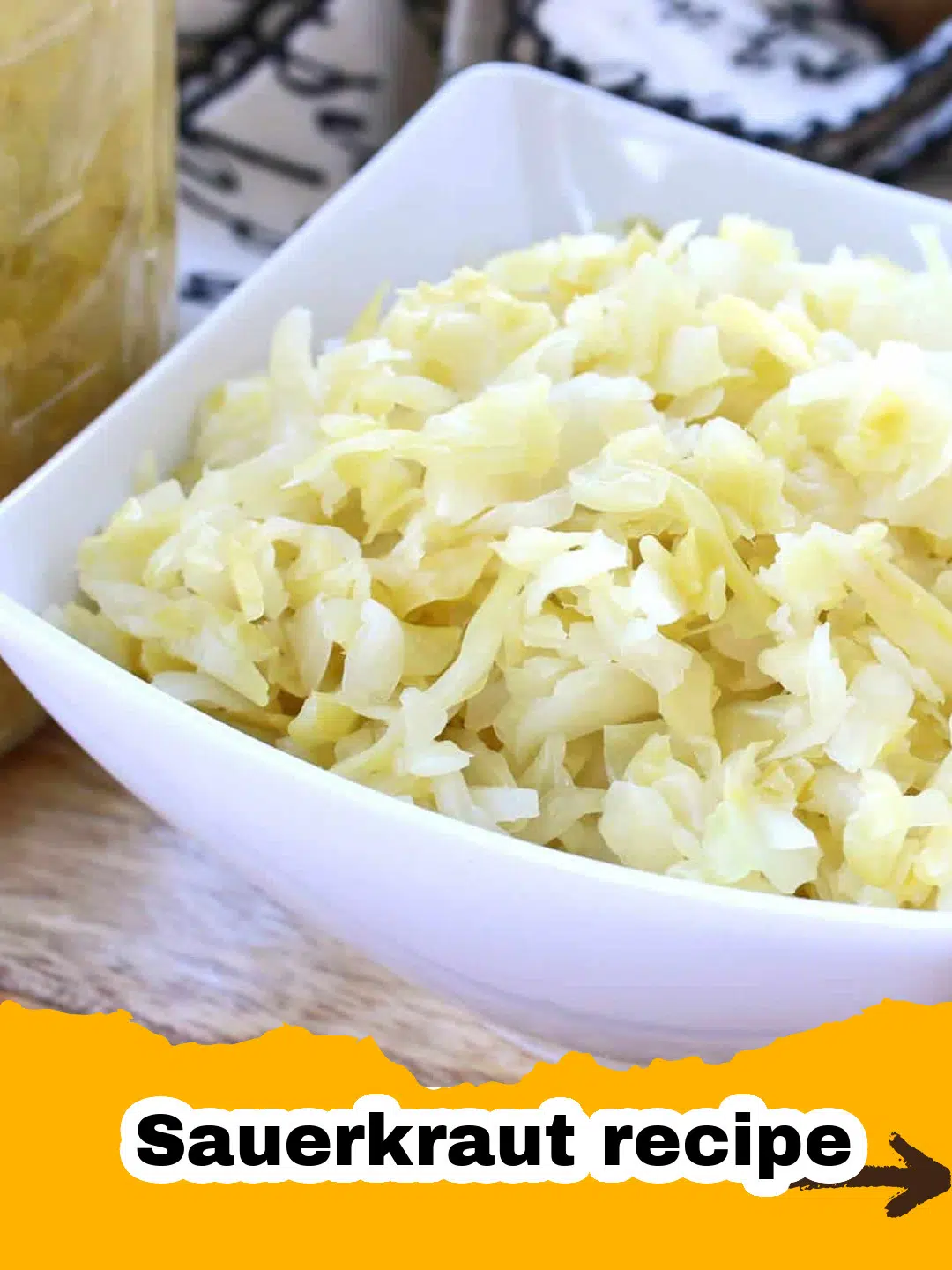
Step-by-Step Guide with Pro Tips for this Sauerkraut Recipe
Making a successful Sauerkraut recipe is all about technique and patience. Follow these steps carefully for the best homemade kraut.
Step 1: Begin by washing your cabbage heads thoroughly. Remove any outer leaves that are bruised or dirty. Cut the cabbage into quarters and remove the core. For this Sauerkraut recipe, you'll want to shred the cabbage finely. You can use a sharp knife, a mandoline slicer, or the slicing attachment of a food processor for consistent results. Aim for thin, even shreds.
Step 2: In a large, non-reactive bowl (stainless steel or ceramic), combine the shredded cabbage with the non-iodized salt. The general rule for a good Sauerkraut recipe is 2-3 tablespoons of salt per 5 pounds of cabbage. Begin massaging the salt into the cabbage vigorously with your clean hands. This is the most crucial step in any Sauerkraut recipe. As you massage, the salt will draw out moisture, creating brine. Continue massaging and squeezing for 10-15 minutes, or until the cabbage has significantly reduced in volume and a generous amount of liquid has collected at the bottom of the bowl. The cabbage should look wilted and be submerged if pressed down.
Step 3: Tightly pack the cabbage and its accumulated brine into clean, sterilized wide-mouth glass jars. Push down firmly on the cabbage with your fist or a blunt tool to eliminate air pockets and ensure the cabbage is fully submerged under its own brine. This is vital to prevent spoilage and ensure a successful Sauerkraut recipe. Leave about 1-2 inches of headspace from the rim of the jar.
Step 4: Once packed, you need to keep the cabbage submerged. You can use a smaller glass jar filled with water, a fermentation weight, or even a large, clean cabbage leaf folded to fit the jar opening, topped with a small glass weight. The goal is to keep all solid cabbage pieces below the brine level at all times. This prevents mold and ensures a safe and effective fermentation for your Sauerkraut recipe.
Step 5: Loosely cover the jars with lids or use airlocks. If using regular lids, simply screw them on loosely to allow gases to escape. Store the jars in a cool, dark place (ideally 60-70°F or 15-21°C) for 2 to 4 weeks. During this time, beneficial bacteria will convert the sugars in the cabbage into lactic acid, giving the sauerkraut its characteristic tangy flavor and preserving it. You’ll know your Sauerkraut recipe is progressing well when you see small bubbles forming and rising to the surface.
Step 6: Check your Sauerkraut recipe periodically. After a few days, you might see foam or a thin white film on the surface. This is usually harmless kahm yeast and can be skimmed off with a clean spoon. If you see mold (fuzzy, colored spots), discard the batch. Taste your sauerkraut after 2 weeks; if it’s tangy enough for your preference, it’s ready. If you prefer a stronger flavor, let it ferment for longer. The result of your hard work on this Sauerkraut recipe will be a perfectly fermented, delicious kraut.
Step 7: When your Sauerkraut recipe reaches its desired tanginess, remove the weights and any surface film. Seal the jars tightly and transfer them to the refrigerator. Refrigeration significantly slows down the fermentation process, preserving the sauerkraut for several months. For excellent storage, consider using reliable Basics Glass Food Storage containers, which are perfect for keeping your fermented foods fresh and secure.
Variations & Serving Suggestions for this Sauerkraut Recipe
While this classic Sauerkraut recipe is fantastic on its own, it’s also a wonderful canvas for creativity. Experiment and discover new favorites!
Variations:
- Caraway Seed Kraut: As mentioned, caraway seeds are a traditional pairing. Add 1-2 tablespoons per 5 lbs of cabbage during the salting step.
- Spicy Sauerkraut: Add red pepper flakes or thinly sliced jalapeños to the cabbage for a fiery kick.
- Garlic & Dill: Mince a few cloves of garlic and add fresh dill sprigs to the jars along with the cabbage.
- Apple & Onion: Mix in finely chopped apple and thinly sliced onion for a sweeter, more complex flavor profile.
Serving Suggestions:
This versatile Sauerkraut recipe pairs wonderfully with a myriad of dishes. Its bright acidity cuts through rich flavors and adds a fantastic texture.
- Classic Pairings: Serve it alongside grilled bratwurst, hot dogs, or roasted pork. It’s also a traditional accompaniment to dishes like our Hearty Homestyle Pork and Sauerkraut, elevating that comfort food classic.
- Sandwiches & Wraps: Essential for a Reuben sandwich, or as a tangy topping for any deli sandwich or wrap.
- Salads: Add a spoonful to green salads for a probiotic boost and a burst of flavor.
- Eggs: A small side of sauerkraut can brighten up scrambled eggs or omelets.
- Unique Holiday Sides: For a unique New Year's spread, consider serving this Sauerkraut recipe alongside Southern Black Eyed Peas for a delightful tangy contrast.
Nutrition Information
Here’s a breakdown of the nutritional benefits per serving of our homemade sauerkraut. These are estimates and can vary based on ingredients and preparation methods.
| Nutrient | Amount Per Serving |
|---|---|
| Calories | 50 kcal |
| Carbohydrates | 12g |
| Cholesterol | 0mg |
| Fat | 0.5g |
| Fiber | 4g |
| Protein | 2g |
| Saturated Fat | 0g |
| Serving Size | 1 cup (150g) |
| Sodium | 680mg |
| Sugar | 4g |
| Trans Fat | 0g |
| Unsaturated Fat | 0.5g |
There you have it – your comprehensive guide to mastering the art of a homemade Sauerkraut recipe! From the humble cabbage to a probiotic-rich, flavor-packed condiment, this journey is rewarding in every sense. Not only will you impress your friends and family with your culinary prowess, but you'll also be providing them with a wealth of health benefits. So roll up your sleeves, gather your ingredients, and embark on this delicious fermentation adventure. Once you’ve made your first batch, you’ll realize how easy and incredibly satisfying it is to have fresh, homemade sauerkraut always on hand. Enjoy your very own classic Sauerkraut recipe!
FAQs
What kind of salt should I use for a Sauerkraut recipe?
For any Sauerkraut recipe, it is crucial to use non-iodized salt such as kosher salt, sea salt, or pickling salt. Iodized salt can inhibit the fermentation process, and anti-caking agents in some table salts can make your brine cloudy.
How do I know if my homemade Sauerkraut recipe is fermenting properly?
You'll know your Sauerkraut recipe is fermenting correctly if you see small bubbles rising to the surface of the brine. This indicates that the beneficial lactic acid bacteria are active. The kraut will also develop a pleasant sour smell.
What should I do if I see mold on my Sauerkraut recipe?
If you see fuzzy, colored mold (black, green, pink), you should unfortunately discard the entire batch of your Sauerkraut recipe, as it's not safe to consume. A thin, white film (kahm yeast) is usually harmless and can be skimmed off, but true mold means the batch is compromised.
How long does homemade Sauerkraut last?
Once your Sauerkraut recipe has reached your desired tanginess and is transferred to the refrigerator, it can last for several months (typically 4-6 months, sometimes longer). The cold temperature significantly slows down the fermentation process, preserving its quality and flavor.
Classic Homemade Sauerkraut
- Total Time: 2-4 weeks (fermentation) + 20 minutes (active prep)
- Yield: 2 quarts 1x
Description
Learn how to make the best homemade sauerkraut with just two ingredients! This easy Sauerkraut recipe delivers a crisp, tangy, and probiotic-rich fermented cabbage that's perfect for gut health and incredibly delicious.
Ingredients
5 lbs green cabbage
2-3 tbsp non-iodized salt (kosher, sea salt, or pickling salt)
Optional: 1-2 tbsp caraway seeds
Instructions
Step 1: Wash cabbage thoroughly. Remove outer leaves and core. Shred cabbage finely using a knife, mandoline, or food processor.
Step 2: In a large bowl, combine shredded cabbage and salt. Vigorously massage for 10-15 minutes until cabbage is wilted and a generous amount of brine has collected.
Step 3: Tightly pack the cabbage and brine into clean, sterilized wide-mouth glass jars, pressing down to remove air pockets. Ensure cabbage is fully submerged in brine, leaving 1-2 inches of headspace.
Step 4: Place a fermentation weight or a smaller jar filled with water on top of the cabbage to keep it submerged below the brine level at all times.
Step 5: Loosely cover jars with lids or use airlocks. Store in a cool, dark place (60-70°F/15-21°C) for 2 to 4 weeks. Bubbles will indicate active fermentation.
Step 6: Periodically check for kahm yeast (thin white film) and skim if present. Taste after 2 weeks; continue fermenting for a stronger flavor if desired. Discard if any fuzzy mold appears.
Step 7: Once desired tanginess is reached, remove weights, seal jars tightly, and transfer to the refrigerator. This slows fermentation and preserves the sauerkraut for several months.
Notes
Ensure all equipment is clean and sterilized. Use non-iodized salt to avoid inhibiting fermentation. Keep cabbage submerged under the brine at all times to prevent mold. Fermentation time can vary based on temperature and desired tanginess.
- Prep Time: 20 minutes
- Cook Time: 0 minutes
- Category: Fermented, Side Dish
- Cuisine: German, European
Nutrition
- Serving Size: 1 cup (150g)
- Calories: 50 kcal
- Sugar: 4g
- Sodium: 680mg
- Fat: 0.5g
- Saturated Fat: 0g
- Unsaturated Fat: 0.5g
- Trans Fat: 0g
- Carbohydrates: 12g
- Fiber: 4g
- Protein: 2g
- Cholesterol: 0mg
Leave a Reply